Why Super Mario Bros. Wonder is Nintendo’s Ultimate Manifesto on Creative Anarchy
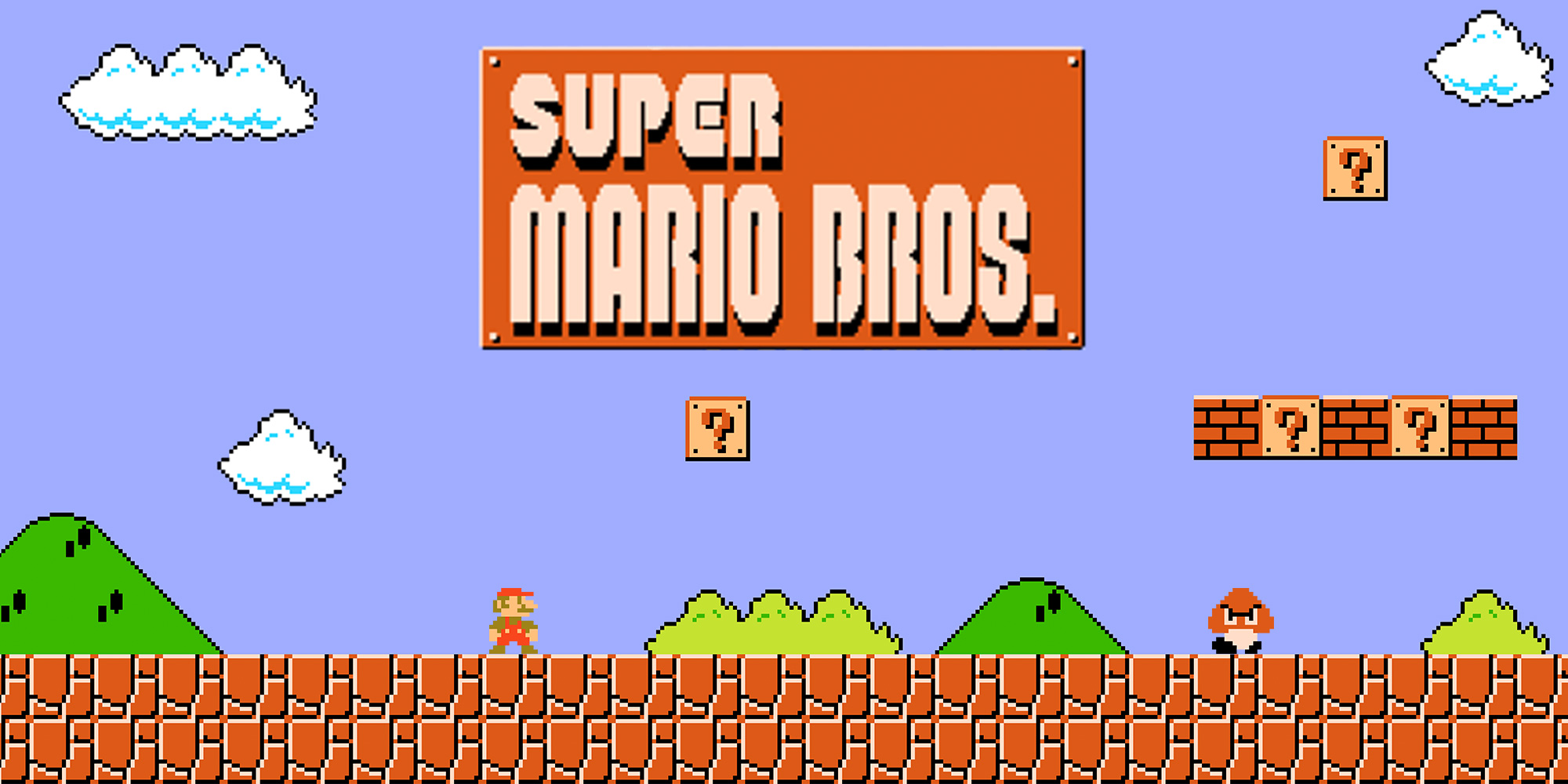
For nearly forty years, the 2D Super Mario franchise functioned as the absolute gold standard of mechanical discipline and architectural predictability in the platforming genre. Nintendo built a multi-billion-dollar empire on a foundation of unyielding internal logic. You knew the rules of the Mushroom Kingdom instinctively: Goombas walk left until they hit a wall, red pipes are stationary conduits for travel, a green mushroom grants an extra life, and the screen moves linearly from left to right.
This rigid structural consistency was precisely why the series was so universally playable; it was a masterclass in intuitive, predictable game design that taught the player how to interact with its world without ever needing a manual.
But by the late 2010s, that flawless consistency had begun to calcify into an artistic trap. The New Super Mario Bros. series, while commercially successful, was frequently criticized for feeling sterile, assembly-line produced, and entirely devoid of surprise. The franchise had become a victim of its own perfection—so bound by its own sacred rules that it had lost the ability to shock the player.
Then came Super Mario Bros. Wonder.
With the release of this psychedelic, rule-shattering masterpiece, Nintendo did something completely antithetical to its traditional corporate conservatism. They systematically took their own decades-old gameplay blueprint, threw it into a blender, and handed the controls over to an philosophy of pure, uninhibited creative anarchy.
By weaponizing a single, radical gameplay mechanic, the Wonder Flower, the developers didn’t just revitalize a legacy IP. They published a definitive design manifesto proving that the ultimate, sacred goal of video game development is not mathematical balance or systemic predictability, but constant, unpredictable delight.
The Architecture of the Wonder Effect: Coding the Unexpected
To understand how deeply Super Mario Bros. Wonder disrupts traditional platforming logic, one must dissect the technical and psychological architecture of the Wonder Flower itself.
In a standard Mario game, power-ups are additive upgrades that exist to serve your existing moveset. A Fire Flower or a Super Mushroom enhances your offensive or defensive capabilities, but the physical environment around you remains entirely unchanged. The world is a static, reliable stage; you are the only dynamic variable.
The Wonder Flower entirely inverts this power dynamic. The moment Mario touches this shimmering, neon-blue plant, the game engine completely overrides the baseline level design, plunging the player into a localized state of reality-warping surrealism.
What makes this mechanic a masterclass in creative bravery is that the “Wonder Effect” is never the same twice. It is a completely decentralized anthology of design madness. In one level, touching the flower causes the iconic green warp pipes to sprout organic segments, writhing and crawling across the ground like sentient earthworms. In another, the entire camera perspective instantly tilts ninety degrees, transforming a standard horizontal side-scroller into a dizzying, top-down vertical maze.
The game engine constantly strips away your mechanical comfort zone, swapping out gravity mechanics, altering the speed of time, or turning the level into a real-time musical theater performance where Piranha Plants sing in pitch-perfect harmony.
Nintendo’s developers did not code a single, unified game; they built an engine designed to seamlessly host dozens of self-contained, three-minute micro-games that completely rewrite the physical laws of the universe on a whim.
The Elephant in the Room: The Philosophy of Absurdist Power-Ups
Nowhere is the game’s embrace of creative anarchy more visually transparent than in its headline addition to the franchise’s power-up roster: Elephant Mario.
Historically, when a high-profile studio designs a new power-up for a flagship mascot, the choice is dictated by intense focus groups and corporate brand management. The transformation is meant to look sleek, marketable, and heroic—think of Sonic the Hedgehog turning into Super Sonic, or Link donning the Champion’s Tunic.
Turning the world’s most recognizable gaming mascot into a round, bumbling, denim-clad pachyderm that sprays water from its trunk is a move of absolute, glorious aesthetic defiance.
The Elephant form works beautifully because its mechanical utility matches its visual absurdity. It changes the physical mass and scale of the character, allowing Mario to smash through solid walls with his trunk, reflect incoming projectiles with a slapstick thud, and store water to revive dying flowers across the landscape.
It is an intentional injection of mechanical playfulness. By forcing the player to control a giant, heavy animal through a world built for a nimble plumber, Nintendo creates a joyful sense of physical friction. It prioritizes the pure, base-level amusement of watching a massive elephant delicately bounce off a tiny Goomba’s head over the clinical, optimized efficiency of traditional platforming mechanics.
Overcoming the “Feature Creep” Trap Through Structural Discipline
The ultimate danger of designing a game around creative anarchy is the trap of Feature Creep and structural incoherence. When a dev team gives themselves permission to break every rule and include every bizarre idea that surfaces during a brainstorming session, the resulting game usually dissolves into an unplayable, frustrating mess of disconnected gimmicks. A game needs structural discipline to keep its madness from alienating the audience.
Super Mario Bros. Wonder solves this paradox through an incredibly sophisticated, three-act level design methodology that ensures every piece of anarchy feels satisfying rather than overwhelming.
This strict structural cycle is the secret anchor that holds the game together. Because the game always establishes a clear, normal baseline in Act 1, the reality-warping chaos of Act 2 feels genuinely shocking and transformative. Furthermore, the game never allows a single Wonder gimmick to overstay its welcome.
A mechanic that minor studios would stretch out into an entire five-hour indie game, such as turning the player into a rolling spike-ball or forcing them to swim through a vertical column of liquid jelly, is introduced, completely explored for ninety seconds, and then permanently discarded, never to be seen again.
Nintendo treats their most brilliant ideas as disposable confetti, tossing them into the air to create a brief, blinding flash of pure wonder before instantly moving on to the next surprise. It is a display of immense creative wealth that leaves the player in a permanent state of breathless anticipation.
The Psychological Liberation of Pure Play
Ultimately, the enduring critical triumph of Super Mario Bros. Wonder lies in its ability to liberate the player’s brain from the exhausting, optimization-focused mindset of modern gaming culture. We live in an era where video games are increasingly treated like second jobs—experiences dominated by complex skill trees, meta-game balancing, endless checklist maps, and toxic competitive grinds.
Wonder is a vibrant, neon-colored antidote to that systemic fatigue. It operates on a psychological frequency of pure, childlike spontaneity. By constantly breaking its own rules and pulling the rug out from under your expectations, the game forces you to abandon any desire to over-analyze or optimize your playstyle. You cannot plan ahead when you have absolutely no idea if the next pipe you touch will lift off like a rocket ship or start singing an opera.
You are forced to exist entirely in the present moment, reacting with wide-eyed surprise to a continuous stream of hand-crafted visual and mechanical wit. It is a definitive creative manifesto from a studio that has spent forty years mastering the rules of interactive entertainment, only to realize that the highest form of mastery is knowing exactly how to break those rules to make the world laugh.
Super Mario Bros. Wonder is a triumphant, unhinged celebration of pure play, a reminder to an over-complicated industry that at the end of the day, a video game’s ultimate duty is to simply make you smile.