Why Wanderstop Cozy Tea Shop Feels Like Psychological Warfare
At the core of the contemporary cozy gaming trend lies an unacknowledged, uncomfortable truth that deserves to be voiced without hesitation: At times, imposed tranquility resembles an ultimate, unavoidable confinement.
We exist in a society where burnout has essentially turned into a competitive event. We dedicate forty to fifty hours weekly gazing at bright spreadsheets, handling countless Slack messages, dealing with tangible financial worries, and coping with the pervasive, underlying existential dread of existing as a human in today’s society.
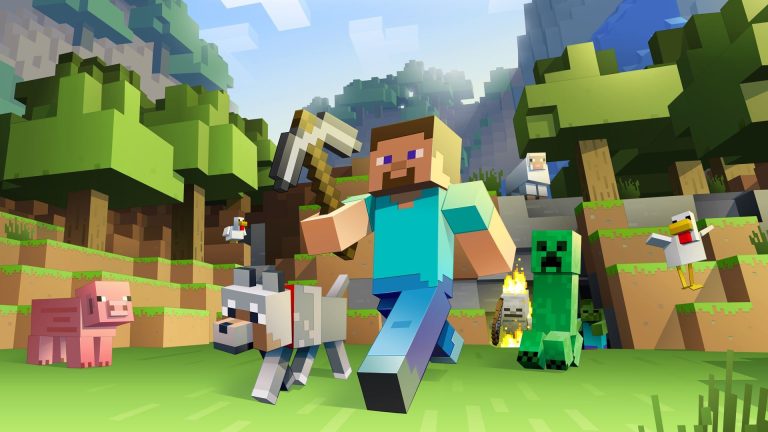
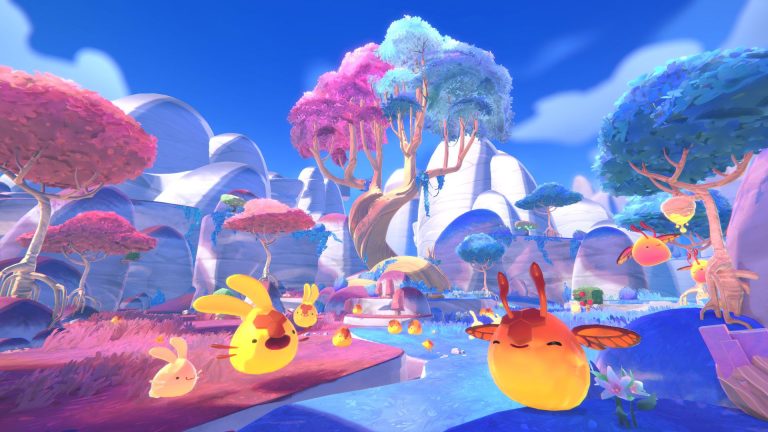
Consequently, the video game sector recognized this shared fatigue and created a polished, profitable answer: the Cozy Sim. We were advised to flee our hectic lives by immersing ourselves in soft-hued digital utopias where our primary duty is to collect turnips, cuddle animated cats, and make lavender chamomile tea for eccentric woodland beings in games such as Stardew Valley, Animal Crossing, or Cozy Grove.
It appears to be a charming, tranquil commitment in writing. What occurs when your mind is racing at incredible speeds, fueled by adrenaline, lingering trauma, and a compulsive search for meaning? What truly occurs when you give a watering can and a tea infuser to an individual designed, educated, and prepared for intense combat situations?
Davey Wreden, the brilliant narrative mastermind behind surreal, fourth-wall-shattering psychological mind-benders like The Stanley Parable and The Beginner’s Guide, took one look at the cozy gaming genre and decided to weaponize its gentlest, sweetest tropes. The result of that creative subversion is Wanderstop, a game that wears the soft, pastel cardigan of a cozy tea-brewing simulator while secretly conducting a brutal, hilarious, and uncomfortably real psychological autopsy on human burnout and avoidant behavior.
The Reluctant Barista: When Muscle Memory Meets Earl Grey
In Wanderstop, you do not play as a cute, wide-eyed city slicker who happily inherited a quaint, overgrown farm from their loving grandfather. You play as Alta, a fierce, disgraced, hyper-competent arena fighter who has spent her entire existence in the high-stakes, blood-soaked world of competitive combat. She is a warrior who is defined entirely by fast movement, split-second reflexes, tactical dominance, and glorious victory. Her entire identity is her broadsword; her personal worth is measured exclusively in fallen opponents and loud, roaring crowds.
So, where does Alta find herself at the opening of the game? She is stranded inside a magical, idyllic forest clearing, managing a cozy tea shop called the Wanderstop. She does not want to be there. She does not care about organic tea leaves. She has zero desire to listen to itinerant traveling merchants talk about their complex emotional feelings over a warm mug of peppermint infusion. She wants her sword back. She wants to get back to the arena. She wants to fight, to bleed, to win, and to feel important again.
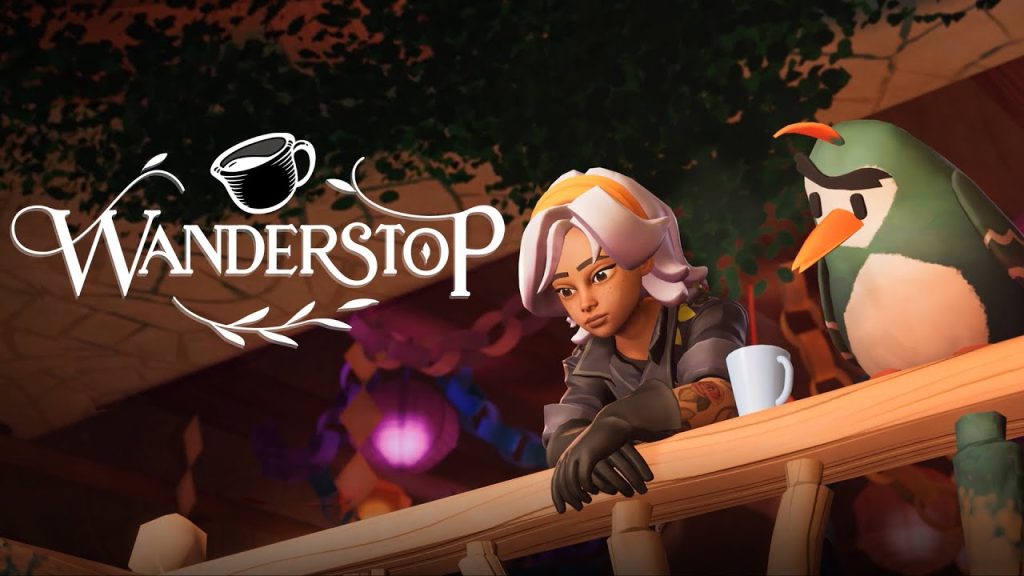
Most cozy games operate under the comfortable assumption that you, the player, desperately want to slow down and relax. Wanderstop understands the terrifying, chaotic reality of a high-achiever undergoing forced retirement against their will. Watching Alta try to neatly arrange porcelain teacups while her brain is screaming for a life-or-death boss fight is easily one of the most relatable representations of modern work anxiety and post-burnout restlessness I have ever witnessed in interactive media.
This bizarre setup creates an immediate, agonizing cognitive dissonance that infects every single gameplay interaction. When you brew a cup of tea in a standard cozy simulator, the user interface is smooth, rhythmic, and soothing. You click on a kettle, wait for a peaceful, glowing timer, and watch a little sparkles animation fill the screen while calm acoustic guitar music plays in the background.
In Wanderstop, every single physical task feels like an exercise in hilarious, stubborn, high-tension resistance. You are not just brewing tea; you are manually operating a bizarre, rickety, over-engineered tea-brewing contraption. You have to harvest leaves, grind herbs, balance internal boiler temperatures, and carefully pour hot water while Alta’s bitter internal monologue radiates pure, unadulterated hostility toward the entire process.
The Mechanics of Frustration: Turning Relaxation Into Friction
What makes Wanderstop remarkably uneasy to engage with is how Davey Wreden and the team at Ivy Road employ game design elements to replicate the precise psychological experience of compelled mindfulness.
If you have ever attempted to sit silently in a vacant space and meditate while your job or personal life was crumbling, you understand that advising a frantic, overly-alert mind to simply breathe and calm down is like tossing a small cup of water onto a raging grease fire. It doesn’t soothe you. It effectively eliminates all background sounds and emphasizes the intensity of your internal engine’s revving beneath the surface.
The game continuously compels you to carry out monotonous, low-risk, trivial tasks throughout the store. Your days involve cleaning dirt off the wooden porch, choosing the perfect mix of dried plants for discerning clients, pruning excessive bushes around the shop boundaries, and taking a break on a bench to watch the sunset.
In any other video game, these tasks would serve as mindless, relaxing filler activities intended to provide a fast, easy dopamine boost. However, since you are firmly confined within Alta’s intensely alert, battle-prepared mentality, these ordinary tasks seem like a sophisticated kind of mental torment.
The game deliberately introduces micro-frictions into every single interaction you perform. If the tea machine jams, you cannot just click a button to fix it; you have to physically stand there and manually crank a stubborn lever. When an eccentric customer wants to linger at the counter and chat endlessly about their mundane, small-town life problems, you have to select dialogue options while Alta practically bites her own tongue off to keep from telling them to leave her alone.
It turns the simple act of preparing a hot beverage into a high-stakes, psychological standoff between your desire for progress and the game’s refusal to rush. You are not playing to relax; you are playing to see how long Alta can endure the sheer, suffocating tranquility of her new life before she completely loses her mind and snaps.
The Darkness Behind the Pastel Curtain
It would have been incredibly easy for a game with this pitch to rely entirely on slapstick comedy—the classic, predictable joke of a grumpy warrior forced to wear a floral apron and serve drinks. And to be completely fair, Wanderstop is frequently hilarious. The sheer contrast between Alta’s severe, combat-trained demeanor and the absurdly soft, welcoming world around her provides a constant stream of organic comedic gold.
Nevertheless, since this tale is created by Davey Wreden, the bright pastel visuals serve as a cunning Trojan horse for a profoundly disturbing story that explores trauma, loss of identity, and the sinister aspects of corporate wellness culture.
Wanderstop fundamentally serves as a direct critique of contemporary wellness trends. It reveals the comforting misconception that you can resolve profound psychological trauma, existential sorrow, and systematic exhaustion by merely sipping warm herbal tea, lighting a fragrant candle, and acting as if the world around you isn’t ablaze.
What is the actual reason that Alta is stuck at the Wanderstop initially? Is she truly trapped there by a fanciful, magical spell, or is her shattered mind obstinately denying the reality of a crushing, career-ending loss that shattered her identity? Why does the tea shop appear to quietly adjust to her arrival, compelling her to face certain memories she prefers to hide beneath a heap of conquered foes?
As you advance in the game’s framework, the comfortable routine begins to show signs of wear at the borders. You start discovering unusual, incongruous artifacts dispersed throughout the nearby woods—fractured fragments of robust armor, damaged weapons, and enigmatic written messages that suggest the brutal world Alta abandoned. The patrons who come to the store stop being perceived as mere, charming NPC clichés; they transform into psychological reflections showcasing various unique phases of burnout, denial, dislocation, and sorrow.
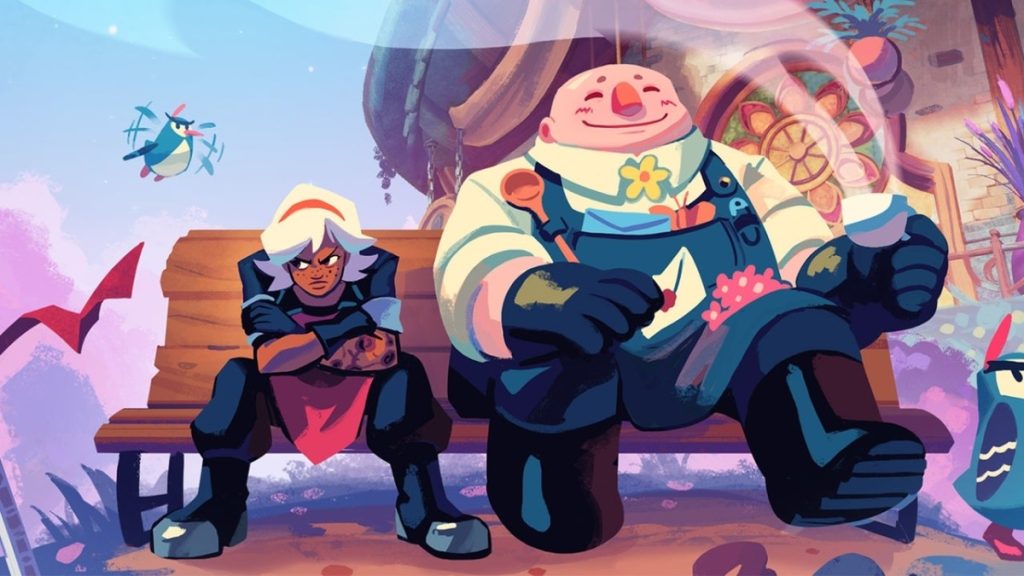
The game subtly poses a terrifying question to the player: When you strip away someone’s title, their primary skill, their daily routine, and their fight, who are they actually left with when the room goes quiet? For Alta, the answer is empty, terrifying, and deeply uncomfortable. She spent her entire life running on the relentless treadmill of competition and external validation. Without an enemy to strike or a scoreboard to climb, she is forced to sit alone in the quiet with her own unedited thoughts. And for anyone running away from their own past, the quiet is easily the most dangerous room in the entire house.
The Subversion of Choice: Inheriting The Stanley Parable’s DNA
It is impossible to discuss Wanderstop intelligently without recognizing the distinct, meta-narrative DNA of The Stanley Parable running through its veins.
In The Stanley Parable, Wreden brilliantly dissected the illusion of player choice in modern video games. He showed us that no matter which door we chose to walk through—left or right—we were still ultimately obeying the pre-written code of a developer. We were just digital monkeys pushing buttons for a unseen narrator’s amusement, pretending that our choices carried ultimate weight.
In Wanderstop, Wreden applies that exact same brilliant subversion to the concept of emotional agency and forced mindfulness. Cozy games always promise the player ultimate freedom and safety. They proudly advertise that you can play entirely at your own pace, do whatever makes you feel happy, and that there are no wrong answers or failure states.
Yet, Wanderstop proves that this promised freedom is a complete illusion if your internal emotional state is not aligned with the game’s peaceful expectations. The game actively parodies the entire concept of relaxed gameplay by demonstrating that forcing a character—or a player—to be calm, happy, and cozy is just as controlling and suffocating as forcing them down a linear hallway with a machine gun.
When the game prompts you to sit on a wooden bench and rest, it does not feel like a tranquil reward for a job well done. It feels like an unbearable punishment. You sit there in silence, watching the camera slowly zoom out over the idyllic scenery, listening to the gentle ambient wind chimes, while an invisible timer ticks away. You desperately want to press a button to jump up, to sprint across the yard, or to interact with something, anything else. But the game demands that you sit completely still and take a break.
It forces you, the player sitting at your desk or console, to experience the exact same restless, crawling-out-of-your-own-skin anxiety that Alta is experiencing on screen. It bridges the emotional gap between the player and the protagonist not through exposition-heavy cutscenes or dramatic voice acting, but through pure, shared mechanical discomfort.
Why We Need Games That Agitate Rather Than Numb
We now exist in a society that is overwhelmed by a vast ocean of comforting media. We repeatedly view the same nineties sitcoms, stream countless hours of soothing ambient lo-fi music, and invest hundreds of hours into relaxing farming simulators because the real world seems too chaotic, unpredictable, and daunting to manage.
There is undoubtedly nothing fundamentally flawed about pursuing comfort. Everyone requires a secure haven to rejuvenate occasionally. However, when comfort turns into our consistent, go-to coping strategy—when we rely on pastel visuals, virtual agriculture, and soothing habits to entirely block out our real-life issues—it stops being a beneficial method for recovery. It merely turns into a shiny, immobilizing diversion.
Wanderstop is a courageous, intelligent, and essential work of interactive art mainly because it denies you that simple, thoughtless escape.
It employs the precise genre of games engineered to dull your mind and utilizes it to jolt you awake forcefully. It compels you to face the awkward, inescapable reality that genuine peace isn’t something you can merely purchase, create, or gather in a virtual garden. Authentic healing necessitates engaging in the difficult, painful, and chaotic internal process of understanding your identity once the conflict has ended and the audience has departed.
A Masterpiece of Anti-Cozy Design
Wanderstop is not just another quirky indie game attempting to cash in on the lucrative cozy gaming hype train. It stands as a sharp, deeply satirical, and surprisingly emotional critique of our collective relationship with productivity, burnout, and emotional avoidance.
It is deliberately uncomfortable. It is frequently frustrating. It is absurdly funny. And most importantly of all, it is deeply, authentically human in its observation of how we handle exhaustion.
If you go into Wanderstop expecting a chill, brain-off tea-shop simulator to zone out to after a long, exhausting day at the office, you are going to get hit by a psychological freight train. But if you go in willing to embrace the friction—if you are willing to sit in the awkward, anxious silence alongside Alta as she desperately tries to figure out what to do with her hands when they are not holding a sword—you might just find one of the most profound, memorable, and thought-provoking gaming experiences of the decade.
Now I am really curious to hear how all of you feel about the massive explosion of the cozy gaming genre over the last few years. Do you use these games as a genuine, healthy way to unwind after a tough day, or do you ever catch yourself feeling oddly restless and anxious while performing repetitive digital chores? Let me know your thoughts and burnout stories!