Lost and Found Co.: Why Hunting for Lost Treasures as a Duck Is Instant Serotonin
There is a very specific, nostalgic dopamine rush that anyone who grew up reading Where’s Waldo? or pouring over I Spy books knows by heart.
It is the sensation of leaning close to a page crammed with hundreds of tiny, hand-drawn details, scanning past colorful crowds, absurd micro-vignettes, and hidden easter eggs, until your eyes finally lock onto that one missing item you’ve been hunting for twenty minutes. Your brain instantly fires off a crisp wave of pure satisfaction. It’s simple, tactile, and deeply gratifying.
For years, the hidden object video game genre drifted away from that joyful, whimsical spark.
Many hidden object titles evolved into grim, dark-themed mystery puzzles filled with dusty Victorian mansions, eerie music, and melodramatic detective plots. While those games certainly have their place, they often trade the playful, vibrant energy of picture books for an atmosphere that feels heavy and serious.
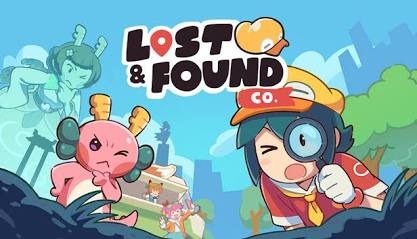
Pure playful energy: Lost & Found Co. redefines the hidden object adventure genre. Source: Steam
Then came Lost and Found Co., an utterly charming hidden object adventure developed by PlayStache.
Lost and Found Co. takes the classic point-and-click searching formula, douses it in vibrant watercolor pastel tones, injects a healthy dose of cartoon absurdity, and hands you the reins of a magical agency run by a duck who was accidentally transformed into a human intern.
Yes, you read that right. You play as Ducky, a former duck who suddenly finds herself thrust into the fast-paced world of magical corporate administration alongside Mei, a dragon deity turned agency boss. Together, you travel across sprawling, hand-animated dioramas to help quirky clients track down their most prized lost possessions.
On the surface, hunting for lost keys, missing slippers, or runaway pets sounds like a simple premise.
Yet, as soon as you dive into your first bustling city market or whimsical enchanted forest, Lost and Found Co. reveals itself to be an absolute serotonin factory. It treats hidden object hunting not as a passive eye exam, but as a lively, interactive playground filled with humor, heart, and endless visual comedy.
Let’s break down why Lost and Found Co. is capturing the hearts of cozy gamers everywhere, how its dynamic hand-drawn scenes turn simple searching into pure joy, and why playing as a duck intern is the exact mental reset we all need right now.
From Pond to Office: The Hilarious Plight of Ducky the Intern
Every great cozy game needs an iconic anchor, and Ducky is easily one of the most relatable, hilarious protagonists to grace the indie scene in recent memory.
Before joining Lost and Found Co., Ducky had life completely figured out. She spent her days floating peacefully on a quiet pond, quacking at breadcrumbs, preening her feathers, and enjoying a stress-free existence. But after a wild encounter with Mei—a former dragon goddess who was stripped of her divine powers and now runs a struggling magical lost-and-found agency—Ducky is accidentally transformed into a human teenager and hired as an unpaid intern.

A world packed with life: every corner of Lost & Found Co. tells a hilarious micro-story. Source: Rock Paper Shotgun
This fish-out-of-water—or rather, duck-out-of-water—premise sets a wonderfully goofy comedic tone that runs through the entire game.
Ducky still thinks, reacts, and occasionally moves like a duck. She wears a bright yellow duck-bill cap, gets wildly over-enthusiastic about shiny objects, and approaches corporate human life with a mixture of bewildered panic and pure, unadulterated optimism. Her dialogue interactions with Mei, who acts as the fiery, impatient boss trying to rebuild her magical empire, are packed with witty banter and genuinely funny physical comedy.
The game uses this humorous narrative frame to make every search mission feel like a meaningful story rather than an isolated puzzle grid.
You aren’t just clicking on a generic list of household tools because a text box told you to. You are searching a chaotic beach resort to find a distraught mermaid’s missing seashell headphone case, or scouring a bustling night market to help a local street food vendor recover his legendary secret sauce bottle. Every item you hunt for has a personality and a backstory, turning each request into a mini-detective case powered by pure cartoon whimsy.
Living Dioramas: Why Interactive Scenes Beat Static Puzzles
What truly sets Lost and Found Co. apart from traditional hidden object games is that its environments are completely alive.
In older hidden object games, scenes were essentially static 2D paintings. You looked at a still image of a messy room, clicked on the items hidden in the clutter, and watched them vanish from your checklist. There was no motion, no reactivity, and no sense of a living world operating beyond your cursor.
Lost and Found Co. replaces those static paintings with sprawling, fully animated living dioramas.
When you zoom in on a crowded beach, a mountain temple, or an urban shopping district, the world is in constant, joyful motion:
- Street Musicians: Buskers play upbeat tunes while nearby crowds bounce in rhythm, creating an infectious sense of life.
- Mischievous Animals: Cats swat at hanging lanterns, stray dogs chase butterflies through flower beds, and squirrels hoard shiny buttons in tree hollows.
- Playful NPCs: Shopkeepers argue over prices, tourists frantically take photos of historical monuments, and kids chase runaway ice cream cones down cobbled streets.
- Environmental Animations: Steam billows from hot dumpling baskets, laundry flaps gently in the breeze, and autumn leaves swirl across garden paths.

Interactive discovery: poking through bushes, opening doors, and unraveling secrets in lush landscapes. Source: Steam
More importantly, the game requires you to interact with the environment to find what you are looking for.
You can’t just passively scan the surface of the screen with your eyes. You have to poke around! You click on closed shop shutters to roll them up, peek inside wooden crates, open kitchen fridges, shake apple trees to see what tumbles out, and gently nudge sleeping cats off cushions to reveal the shiny key they were napping on.
This interactivity turns searching into an active process of exploration and curiosity.
It feels remarkably like opening the little paper windows on a advent calendar. You are constantly rewarded for clicking on random things just to see how the world reacts. Click on an old jukebox, and it starts blasting a fun tune that makes everyone on screen start dancing. Tap on a sleepy owl in a tree, and it hoot-hoots before dropping a hidden coin into your inventory.
The game never punishes you for clicking the wrong item. There are no harsh penalty timers, no annoying alarm sounds when you misclick, and no threat of losing points. It encourages you to explore at your own pace, soaking in the details and enjoying the visual jokes scattered across every corner.
The Art of Visual Storytelling and Easter Eggs
One of the greatest joys of Lost and Found Co. is how much storytelling happens without a single line of text.
The artists at PlayStache have packed every scene with dozens of charming micro-vignettes that tell little visual jokes if you take the time to look closely. While your main objective might be finding a lost pair of golden scissors, your eyes naturally wander over to a nearby balcony where a rabbit is secretly trying to teach a fox how to play the ukulele.
Across the street, you might spot a ghost wearing a tiny bowler hat casually buying a hot sweet potato from a street vendor, or an axolotl trying to blend into a crowd of humans by wearing a clearly fake mustache.
This incredible density of visual humor turns every level into a treasure hunt within a treasure hunt.
The game actively rewards observant players with hidden collectibles, secret mini-quests, and subtle pop-culture references hidden in plain sight. You might stumble upon a tiny duck costume hidden inside a wardrobe that Ducky can wear on future missions, or discover a legendary magical artifact tucked away in an attic that unlocks special agency decorations for your home base.
Because the art style relies on clean line work, warm pastel palettes, and expressive character design, the screen never feels overwhelming or stressful despite being packed with hundreds of objects. It hits that elusive visual sweet spot: chaotic enough to present a fun challenge, but clean and harmonious enough to feel relaxing to look at for hours on end.
Why “Low-Stakes Searching” Is Instant Mental Relief
It is no secret that many gamers today suffer from mental fatigue.
After spending long days solving complex problems at work or navigating high-stress life responsibilities, sitting down to play an intense, reflex-heavy video game can sometimes feel overwhelming. Our brains crave activities that provide a gentle sense of focus—a state of “active relaxation” where we can engage our minds without triggering stress or anxiety.
Lost and Found Co. is practically engineered to induce that exact state of calm, focused mindfulness.
There is a deep, psychological comfort in the act of searching for hidden items in a cozy environment:
- Clear, Achievable Goals: In a world where life problems are often messy and ambiguous, hunting for a lost teacup gives you a clean, clear goal with an immediate, unambiguous resolution. You find the cup, you click it, and the game gives you a delightful ding! sound effect.
- Pacing Autonomy: You are in total control of the tempo. If you want to spend thirty minutes slowly examining a single corner of an autumn garden while listening to lo-fi acoustic music, the game welcomes it. If you want to breeze through objectives using helpful hint systems, that is completely fine too.
- Visual Warmth: The cheerful color choices, cute character designs, and gentle ambient sound effects create a warm, welcoming environment that lowers your heart rate and lets you decompress.
It activates the exact same satisfying brain pathways as doing a jigsaw puzzle or organizing a cluttered craft drawer. It gives your mind just enough of a puzzle to keep you absorbed in the present moment, washing away the mental noise of the day and replacing it with steady, continuous hits of serotonin.
A Triumphant Revival for the Hidden Object Genre
Lost and Found Co. is a glowing example of what happens when indie developers bring fresh creative vision to a classic, beloved genre.
By blending the nostalgic thrill of Where’s Waldo? with dynamic animated dioramas, laugh-out-loud comedy, and a adorable cast of magical characters, PlayStache has created an instant cozy classic that appeals to players of all ages and skill levels.
It proves that video games don’t need gritty realism, complex skill trees, or high-octane action to be deeply captivating. Sometimes, all you need is a warm, hand-drawn world, a charming duck intern with a can-do attitude, and a magical lost-and-found agency dedicated to making the world a little brighter, one recovered treasure at a time.
Whether you are a lifelong fan of hidden object picture books, a cozy gaming enthusiast searching for your next relaxing obsession, or someone who simply loves ducks, Lost and Found Co. is a delightful, heart-warming journey that will put a permanent smile on your face.
Now I’d love to pass the magnifying glass over to all of you! What was your favorite hidden object book or puzzle game growing up, and what is the weirdest item you’ve ever lost in real life that you wish a magical duck agency could help you find? Drop your favorite cozy puzzle games, lost item stories, and thoughts in the comments below!