The Death of the Multi-Season Epic: Why TV’s Greatest Era Is Getting Shorter
At one point, a successful TV series was designed to become an empire. When a network or streaming platform achieved a success in the 2000s or 2010s, the aim was unmistakably defined: extend the story over seven, eight, or nine years, create more than a hundred episodes, and establish the series within the cultural fabric.
We observed Tony Soprano grow older on screen for almost ten years. We watched Don Draper destroy his life and reconstruct it over seven seasons in advertising firms. For eight challenging, excruciating years, we followed Walter White’s transformation from a timid chemistry teacher to a ruthless drug kingpin.
These extended, decade-long journeys formed the essential foundation of what we referred to as the Golden Age of Television. They allowed us time to settle in with these characters, to immerse ourselves in their world, and to feel a unique, gradual intimacy that no two-hour film could ever aspire to replicate.
That period is entirely, undeniably over. We have officially stepped into the era of the abbreviated story. Examine the current television environment: even the largest, most critically acclaimed cultural powerhouses—series that generate substantial revenue and rule award ceremonies—are opting to conclude after four or five concise, thoughtfully crafted seasons.
The Legacy Blueprint (2000–2015):
[Pilot Hit] ──► [7–10 Seasons / 100+ Episodes] ──► [Monocultural Pillar] ──► [Permanent Syndication]
The Modern Streaming Reality (2026):
[Instant Hit] ──► [4–5 Seasons / 30–40 Episodes] ──► [Definite Truncated Ending] ──► [Algorithmic Archiving]
Consider The Bear, which has just concluded its fifth and final season. Christopher Storer and FX didn’t overextend that culinary pressure cooker until the viewers cried for relief; they set a clear boundary, secured the kitchen doors, and departed while the show was at its highest critical acclaim.
This isn’t a singular irregularity; it represents a fundamental transformation. The 10-season legacy arc has been methodically unraveled due to a blend of creative fatigue, evolving streaming economics, and a basic shift in our narrative consumption.
As an industry observer and an ardent TV enthusiast, I find myself conflicted between two starkly contrasting realities: Is this enforced brevity providing us with the most refined, carefully crafted television experiences we’ve ever enjoyed, or is it depriving us of the gradual, long-term connections that originally made television unique?
Part I: The Industrial Autopsy—Why the 10-Season Arc Died
To understand why the decade-long television series collapsed, we have to follow the money and look at the dramatic structural shift from traditional broadcast syndication to the modern streaming ecosystem.
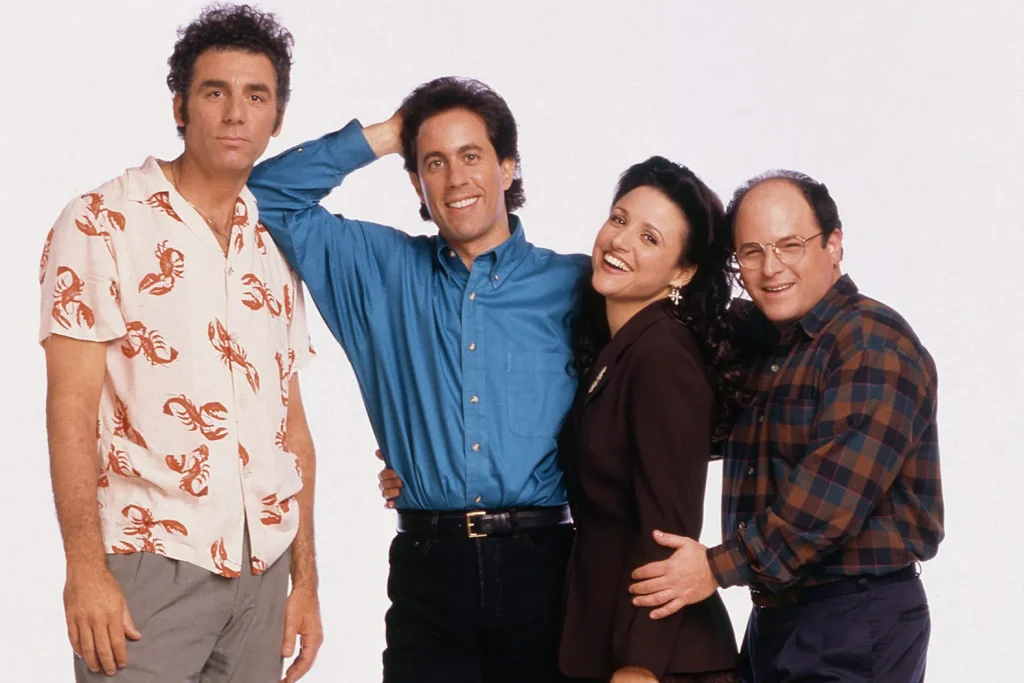
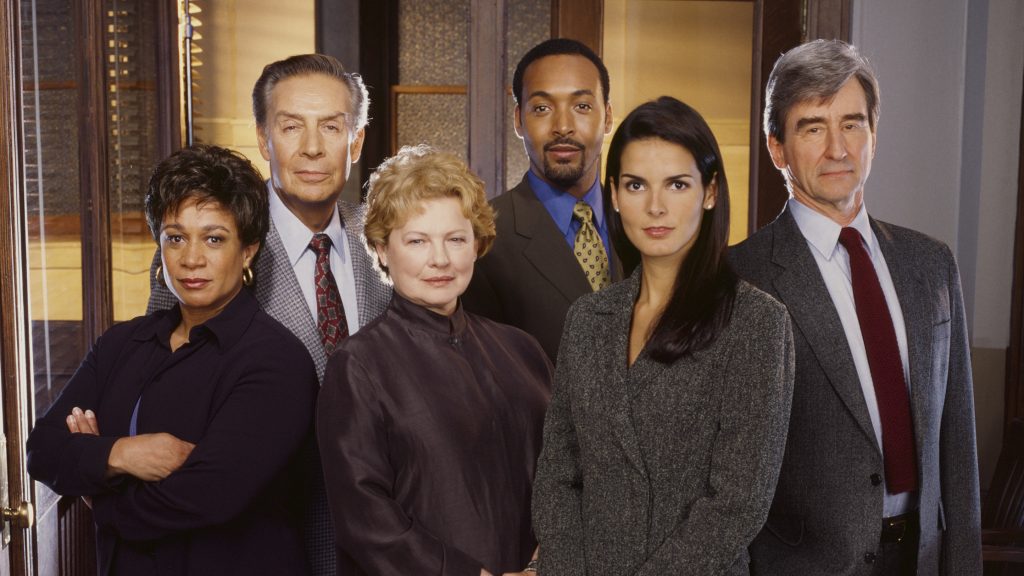
In the old network model, a show’s profitability was directly tied to its sheer volume. If a show reached 100 episodes (usually around its fifth season), it unlocked the golden gates of off-network syndication. Networks could sell rerun rights to local stations and cable channels around the world, turning shows like Seinfeld, Friends, or Law & Order into perpetual, multi-billion-dollar passive revenue streams. The incentives for networks and creators were aligned: keep the show running as long as humanly possible, no matter how tired the writing room became.
Old Network Incentive Model:
More Episodes = Hit 100-Episode Syndication Threshold = Infinite Passive Profit
Modern Streaming Incentive Model:
More Seasons = Skyrocketing Talent Costs + Decreasing New Subscriber Acquisition = Financial Liability
Streaming services entirely undermined this economic rationale. Platforms don’t profit from syndicated reruns; they earn from acquiring and retaining subscribers. A vibrant, fresh Season 1 of a series draws in countless new subscribers. A Season 2 or Season 3 keeps them. However, when a show reaches Season 5 or 6, it typically fails to draw in new viewers to the platform—it primarily benefits the current audience.
At the same time, as a series reaches its later seasons, the expenses of production soar. Contracts for actors come to an end and need to be renegotiated at significantly increased rates, showrunners seek larger budgets, and expenses for the crew rise. From a frigid, numerical corporate viewpoint, a 7-season series turns into a significant financial burden with decreasing algorithmic profits.
Blending corporate economics with today’s production timelines, where a typical 8-episode season now demands two to three years for completion due to heightened visual standards, a 7-season series would necessitate an actor or writer dedicating fifteen years of their life to one endeavor. The system just isn’t designed to support that any longer.
Part II: The Case for the 4-Season Masterpiece
Currently, if you inquire with contemporary showrunners and film critics regarding this change, numerous ones will praise it as the most significant artistic advancement in the history of television. Honestly, it’s tough to dispute their proof.
For years, the greatest weakness of television was its unwillingness to honor an ending. Authors had to handle their series as if they were infinite soap operas, persistently creating phony challenges, ridiculous love triangles, and forced narrative turns merely to sustain the production for another twenty-two installments. We all recall seeing outstanding shows from Dexter to The Office slowly tarnish their own legacies as they trudged through tired, empty later seasons that seemed like a painful struggle.
The contemporary limit of 4 to 5 seasons serves as an essential narrative sieve. It compels writers to treat television with the structural rigor of a novel or a series of movies instead of a never-ending cycle.
The Anatomy of Narrative Precision
The Infinite Model (Legacy TV): Pilot ──► Organic Arc ──► Narrative Stagnation ──► Desperate Plot Twists ──► Exhausted Cancellation.
The Truncated Model (Modern Prestige): Act I: Setup & Friction ──► Act II: Escalate Pressure ──► Act III: Explosive Climax ──► Act IV: Definitive Resolution.
When a writing team realizes from the start that they have only forty hours in total to narrate their story, each scene holds significant importance. There is no space for “filler” episodes in which characters meander through side quests. There is no time to waste. The story’s tension reaches a deadly level as the conclusion is constantly apparent.
Observe The Bear. Throughout its five-season journey, Christopher Storer provided an unyielding, intensely concentrated reflection on sorrow, perfectionism, inherited trauma, and the harsh truths of working in the service industry. Since the series didn’t have to extend over ten years, the intensity remained constant.
Each episode seemed like a critical, high-pressure operational drive. By stepping back in Season 5, the series maintained its creative integrity. It made us desire an additional course instead of feeling stuffed, fatigued, and glancing at our watches in a dining area that lingered too long.
This condensed model presents what I refer to as The Michelin-Star Narrative: a concise, artfully arranged tasting menu where each ingredient is intentional, every flavor combination is precise, and the chef leaves the kitchen just as the last dish arrives at the table.
Part III: The Tragedy of Lost Attachment
Yet this is the moment I must leave the critic’s role and express as a person who truly appreciates the special charm of television: A profoundly valuable aspect has been sacrificed in this shift. An unmatched emotional closeness can be developed solely through a lengthy, multi-year, multi-season experience.
After seven, eight, or nine years of observing a show develop in real time, the characters begin to transition from mere fictional figures on screen to an enduring element of your life. You develop alongside them. You observe the young performers grow older and evolve over a period of ten years. You recall your own life back then—what apartment you occupied, whom you were seeing, what job you held—during Season 2, and you compare it to the person you are by the time Season 7 arrives.
A show that spans four seasons, particularly one that releases all its episodes simultaneously or has a three-year gap between seasons, cannot create that particular emotional impact. It is a fast, vivid dash—a summer fling in contrast to a ten-year union.
Consider The Wire. The immense, overwhelming emotional gravity of its concluding season resonated perfectly because we had observed for five years the gradual deterioration of Baltimore through every conceivable aspect: the streets, the docks, the government, the education system, and the media.
We witnessed children mature into corner boys, and corner boys evolve into tragic figures. That deep feeling of scale and sorrow needed time to expand. It demanded a gradual buildup that enabled the audience to absorb the intricate network of systemic decay.
By restricting every contemporary prestige series to a compact, cinematic 30-episode format, we deprive television of its most significant inherent strength: The Longitudinal Character Study. We exchange profound, long-term emotional bonds for smooth, quick storytelling efficiency. We receive flawless, brilliantly refined television, yet we forfeit the sense of having shared a segment of our real lives with these imaginary characters.
Part IV: The Industrial Machine’s New Trap
While showrunners may frame the 4-to-5-season limit as a purely creative choice, we cannot ignore the cynical corporate reality that operates underneath it.
By normalizing shorter series runs, streaming executives have found a clever way to mask a deeper problem in the modern entertainment ecosystem: The Complete Inability to Maintain Audience Attention.
In the current media landscape, platforms operate under intense panic. They know that viewer retention drops sharply after the first couple of years of a show. Rather than doing the hard, patient work of supporting a series through a temporary mid-life slump and allowing an audience to build organically over time, executives use “the planned final season” as a convenient marketing exit strategy.
The Corporate Playbook: Greenlight a high-concept show ──► Squeeze three seasons of maximum social media buzz out of it ──► Announce a “planned, definitive” Season 4 or 5 finale ──► Clear the slate for a cheap new IP to capture the next content cycle.
This creates a deeply disposables culture around modern television. Shows are treated like fast-fashion garments: worn intensely for a season or two, celebrated on social media, and then systematically retired before they cost the studio too much money in back-end talent contracts.
We are systematically training audiences not to get too attached to any show, because we all know the executioner’s axe is waiting just around the corner after episode thirty. The art form of television is being reshaped to fit the transactional, high-turnover mechanics of modern tech platforms, and we are being sold this financial cost-cutting measure as a triumph of artistic integrity.
Part V: Finding the Perfect Balance
Where do we proceed from this point? Are we forced to constantly decide between the excessive, relentless network shows of yesteryear and the extremely brief, disposable streaming endeavors of today?
I will not agree to that either-or option. The future of exceptional television relies on our capacity to differentiate between a series that is inherently crafted as a finite narrative and one that necessitates a broad, multi-year framework.
We need to back creators with the ambition to craft expansive, intricate worlds worthy of six or seven seasons of careful development, while also endorsing writers who aim to deliver a concise, two-season narrative and conclude their journey. However, most importantly, we require the television industry to cease allowing algorithm-driven metrics and immediate profit reports to determine the natural duration of human narratives.
An excellent TV series should continue as long as its internal coherence requires—neither a single episode shorter nor one longer. Regardless of whether it requires twenty hours or eighty hours, allow the narrative to determine the medium, not the earnings report of the platform for the quarter. Now is the moment to bring back dignity to the medium, honor the conclusion, but always remember the unique, unparalleled enchantment of a prolonged journey shared over time.