The Witch’s Bakery: How Studio Ghibli-Style Pastries Can Heal the Human Heart
There is an undeniable, universal comfort in the smell of fresh bread. Think back to the last time you walked past a local neighborhood bakery early in the morning. The air is cold and crisp, but as you near the doorway, you are instantly wrapped in a warm, buttery cloud of yeast, melted chocolate, caramelized sugar, and toasted wheat. It is a sensory anchor. Before you even take a single bite of a golden, flaky croissant or a warm slice of sourdough, your nervous system settles down just a little bit. Your shoulders drop, your breathing slows, and a quiet sense of safety washes over you.
For decades, master storytellers have understood the deep emotional connection between food, comfort, and human healing.
No studio has captured this dynamic more brilliantly than Studio Ghibli. Whether it is Kiki delivering hot herring pies through gray coastal rain, Chihiro crying tears of relief while eating a simple rice ball in Hayao Miyazaki’s Spirited Away, or Howl frying thick slabs of bacon and eggs over a crackling Calcifer in Howl’s Moving Castle, Ghibli films treat culinary preparation not as mindless nourishment, but as a tender, sacred act of love and emotional restoration.
Now imagine taking that exact Ghibli-inspired warmth, setting it in a sun-drenched, hand-drawn version of modern Paris, and combining it with a deeply compassionate narrative exploration of mental health, anxiety, and grief. That is the magic of The Witch’s Bakery, a breathtaking RPG life-simulation title developed by Sunny Peak.
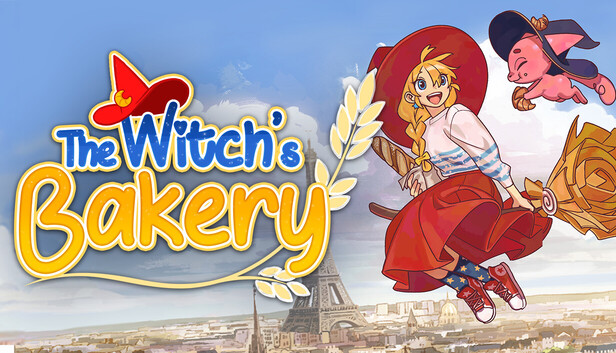
In The Witch’s Bakery, you step into the stylish shoes of Lunenne, a young witch-in-training who moves to Paris to open her very own cozy boulangerie. On the surface, the game offers all the delightful, rhythmic shop-management mechanics you could ever want: gathering fresh organic ingredients, learning classic French pastry recipes, decorating your storefront, and serving warm baguettes to bustling city locals.
But beneath its gorgeous pastel exterior lies a gaming experience of astonishing emotional maturity.
The Witch’s Bakery dares to ask a profound question: what if food wasn’t just something we ate to restore a digital health bar, but a magical bridge into the human soul? What if baking a strawberry tart could help someone process their hidden grief, overcome personal burnout, or rediscover their lost self-worth?
Let’s explore why The Witch’s Bakery represents a monumental leap forward for cozy narrative gaming, how its surreal “Heart Palaces” revolutionize mental health storytelling, and why baking sweet pastries in a magical Paris can genuinely heal the human heart.
A Love Letter to Paris and the Ghibli Aesthetic
From the moment Lunenne arrives in Paris, The Witch’s Bakery wraps you in an atmosphere of pure artistic enchantment.
The game eschews generic 3D graphics in favor of gorgeous, hand-drawn 2D art that looks like a classic anime feature film brought to life. The city of Paris is rendered not as a cold, touristy caricature, but as a living, breathing tapestry of cozy urban romanticism. You stroll down cobblestone avenues lined with classical Haussmann-style architecture, watch sunlight filter through the golden leaves of Tuileries Garden, listen to accordion melodies floating out of corner cafes, and gaze up at the twinkling Eiffel Tower under a twilight sky.
This visual choices are intentionally curated to establish a sense of safety and wonder.
The art direction mirrors the signature visual language of Studio Ghibli’s Kiki’s Delivery Service. Lunenne’s oversized red witch’s hat, her floating magical companion, her wooden broomstick propped quietly against the bakery counter, and the vibrant displays of hand-braided breads create a space that feels utterly timeless.
When you stand in your kitchen rolling out buttery pastry dough, watching the butter melt into silky ribbons and seeing bread rise into golden, puffy loaves in the oven, the visual animation is so deliciously detailed that you can practically smell the vanilla bean and toasted almond wafting off your screen.
The game understands that before you can guide players through heavy emotional themes like depression or loneliness, you must first build a sanctuary where they feel safe, grounded, and deeply cared for. Paris, through Lunenne’s eyes, becomes that ultimate sanctuary.
Heart Palaces: Exploring Mental Health as a Magical Dungeon
While running a successful Parisian bakery is a core pillar of the game, Lunenne is much more than a talented baker. She possesses a rare, empathetic witch magic that allows her to look beyond a customer’s surface demeanor and see the hidden emotional distress weighing down their spirit.
When a customer is suffering from deep emotional trauma, anxiety, or grief, Lunenne can use her broomstick and magic to step directly inside their subconscious—a surreal, dreamlike space known as a Heart Palace. This is where The Witch’s Bakery reveals its narrative genius.
In many traditional RPGs, entering a dungeon means grabbing a sword, smashing monsters, and collecting loot. In The Witch’s Bakery, a Heart Palace is not a combat arena; it is a physical, architectural manifestation of a human being’s internal mental landscape.
If a customer is struggling with crippling imposter syndrome and corporate burnout, their Heart Palace might look like a labyrinthine, suffocating office building made of endless filing cabinets, towering stacks of paper, and frozen clocks where time never moves forward. If a customer is trapped in deep, unresolved grief after losing a loved one, their Heart Palace might appear as a lonely, rain-slicked lighthouse surrounded by rising, dark ocean tides.
As Lunenne explores these surreal inner worlds, you don’t fight “demons” with brute force. Instead, you navigate gentle environmental puzzles, collect hidden emotional memories, listen to internal monologues, and untangle the psychological knots that are keeping the person trapped in darkness.
It transforms mental health from an abstract, stigmatized concept into a deeply compassionate, visual journey of understanding.
The game never trivializes mental illness. It doesn’t present depression as a simple bad mood that can be swept away with a fake smile. By letting players physically walk through the maze of someone else’s pain, The Witch’s Bakery fosters profound empathy. You begin to realize why a customer might have been snappy or distant at your bakery counter earlier that morning—they weren’t trying to be rude; they were fighting a silent, exhausting war inside their own mind.
The Alchemy of Pastry: Food as Emotional Translation
Once Lunenne finishes exploring a customer’s Heart Palace and uncovers the core memory or fear at the root of their suffering, she returns to her kitchen.
This is where the magic of culinary therapy takes center stage.
In The Witch’s Bakery, recipes aren’t just random combinations of flour, water, and sugar selected off a menu list. Each pastry is a carefully crafted piece of emotional alchemy designed to communicate a specific feeling that words alone cannot express. Consider how the game links specific pastries to psychological healing:
A stressed, overwhelmed student who feels like her life is spinning out of control isn’t served a heavy dessert; she needs a light, crisp, perfectly structured Lemon Meringue Tart. The sharp citrus cuts through her mental fatigue, grounding her senses, while the sweet, airy meringue reminds her that lightness can exist alongside structure.
An elderly customer caught in the bitter, cold grip of loneliness doesn’t need a trendy modern pastry; he needs a traditional, warm Brioche des Rois baked with orange blossom water and dusted with coarse sugar, evoking cherished childhood memories of family gatherings, laughter, and belonging.
A young artist paralyzed by the fear of failure is presented with a rustic, imperfect Fruit Galette, teaching them that beauty and joy reside in raw, organic authenticity rather than cold, machine-made perfection.
When Lunenne bakes these magical creations, the process becomes a meditative ritual. You mix the batter with intention, bake with patience, and present the finished pastry to the customer with genuine warmth.
When the customer takes that first bite, the result is magical.
The pastry acts as an emotional key that unlocks the door to their Heart Palace. It floods their system with warmth, helping them process their buried feelings, accept their vulnerabilities, and find the courage to take their first steps toward real-world healing. It is an exquisite metaphor for how care, attention, and good food can break through the highest emotional walls.
Moving Beyond “Toxic Positivity” in Cozy Games
For a long time, the cozy gaming genre suffered from an over-reliance on what many players call “toxic positivity.”
In an effort to keep things light and stress-free, many simulation games created worlds where bad things never happened, sadness was forbidden, and every conflict was resolved with a cheerful thumbs-up in under thirty seconds. While those games certainly have their place as simple escapism, they can sometimes feel sterile, emotionally shallow, and disconnected from the real human experience.
The Witch’s Bakery breaks away from this trend by embracing emotional complexity with open arms.
The game recognizes that sadness, grief, burnout, and fear are not flaws to be instantly deleted; they are natural, valid parts of being human. It doesn’t promise that a slice of chocolate cake will instantly cure long-term clinical depression or bring back a lost loved one.
Instead, it teaches us that kindness, warm pastries, and a safe space to be heard can give someone the strength to carry their burdens a little bit easier.
The narrative arc of the game highlights the importance of holding space for people. Lunenne doesn’t fix people’s lives for them. She uses her bakery to offer them a gentle pause button—a moment of peace in a noisy, demanding world where they can sit down, eat something delicious, cry if they need to, and feel seen without judgment.
By treating heavy themes with such gentleness, respect, and grace, The Witch’s Bakery proves that games don’t need to choose between being “cozy” and being “emotionally deep.” You can have fluffy pink magical companions and pastel French bakeries while still telling stories that touch on the rawest, most vulnerable parts of the human soul.
Community, Connection, and the Importance of Small Kindnesses
Beyond its individual character arcs, The Witch’s Bakery paints a breathtaking picture of urban community building.
Modern city life can often feel intensely isolating. We can live in an apartment building surrounded by hundreds of neighbors, walk past thousands of people on public transit every single day, and yet feel completely, profoundly alone. We hurry past each other with headphones plugged in and eyes locked onto smartphone screens, erect defensive walls against the world.
Lunenne’s bakery serves as a gentle wrecking ball to that modern urban isolation.
As you get to know the residents of your Parisian neighborhood, you begin to see the invisible threads connecting them to one another. The moody florist who supplies edible flowers for your cakes is secretly admiring the shy librarian who visits every afternoon; the busker playing violin on the corner is struggling to find the confidence to audition for the orchestra; the tired postal worker just wants someone to ask how her day was.
By hosting workshops, baking custom holiday orders, and creating a welcoming gathering space, Lunenne transforms her bakery into the beating heart of the neighborhood.
It delivers a message that feels urgently necessary in our modern world: small, consistent acts of everyday kindness have immense ripple effects.
You don’t need to possess real-world magic or fly on a broomstick to change someone’s life. Checking in on a friend who has been quiet lately, bringing a fresh muffin to a stressed coworker, taking five minutes to listen to a neighbor’s story, or simply offering a warm smile to a retail worker can be the exact spark of light someone needs to get through a dark day.
Why The Witch’s Bakery Is a Must-Play Experience
The Witch’s Bakery is far more than just a charming indie game about making pastries in Paris. It is a work of profound artistic empathy.
It takes the comforting, culinary visual poetry of Studio Ghibli, marries it with intuitive shop-management mechanics, and wraps it around one of the most mature, compassionate explorations of mental health ever seen in the life-simulation genre.
It reminds us that creativity, food, and human connection are powerful remedies for the emotional fatigue of modern life. It gives us permission to slow down, honor our feelings, celebrate small acts of kindness, and believe in the magical healing power of a warm, fresh pastry served with love.
When you finally close the bakery doors for the evening, turn off the kitchen lights, and step out into the quiet, starry Parisian night, you don’t just feel entertained—you feel deeply comforted, emotionally nourished, and inspired to bring a little more sweetness into the real world.
Whether you are a die-hard Studio Ghibli fan, a lover of cozy management sims, or someone who simply needs a gentle, beautiful reminder that brighter days are ahead, The Witch’s Bakery is a masterpiece that will stay baked into your heart forever.
Now I’d love to pass the wooden mixing spoon over to all of you! If you opened your own magical bakery, what would your signature pastry be, and what emotional vibe would it offer to your customers? Do you find that food-centric games help you relax after a stressful day? Drop your dream pastry ideas, favorite cozy gaming memories, and thoughts in the comments below!