5 Indie Games Under $15 That Have Better Writing Than Any $70 AAA Blockbuster This Year
Hi everyone! This is Hexa. I’m sitting at my desk, surrounded by a pile of empty matcha cans, staring at my Steam library and feeling a wave of intense existential fatigue.
We need to have a serious, completely unvarnished conversation about the current state of game scriptwriting. It’s 2026, and AAA game publishers are still trying to fool us into thinking that a standard, simple digital game is automatically worth the hard-earned $70. But when you actually buy these massive blockbusters, what do you really get for your money?
Most of the time, you get incredibly safe, thoroughly tested, business-oriented stories. The dialogue sounds like it’s been blended through fifty different executive meetings to ensure it doesn’t displease any shareholders.
You have protagonists who constantly spout annoying, self-conscious lines amidst a literal tragedy. You have cumbersome eighty-hour storylines with endless quests but absolutely no depth to the human condition. It’s exhausting and tedious. And frankly, I don’t want to spend any more money on it.
The true creative soul of this industry isn’t in the big studios with three hundred million dollar budgets and marketing teams larger than several small countries. It’s thriving in the indie gaming world. Talented, passionate writers are creating absolute masterpieces on tight budgets, and they’re selling them for less than a bowl of delicious ramen.
Today, I’m going to introduce you to five amazing indie games under fifteen dollars on Steam. Each of these games boasts superior storylines, character development, and world-building, completely overshadowing any seventy-dollar blockbuster currently on the market.
Let’s explore them.
1. Mouthwashing ($12.99)
If you’ve been following my Discord or Twitter accounts about gaming lately, you’ll know I’ve been constantly praising this game to anyone who would listen. Mouthwashing is a psychological horror game about five crew members of a sinking space cargo ship called Tulpar.
They’re trapped in the depths of space, their captain deliberately crashed the ship in a failed suicide-murder pact, and they’re running out of food, water, and even sanity while crammed into a narrow metal tube.
I played this game non-stop for three hours, and it ruined my mental health for the entire week. I’m not exaggerating. I went to bed at 4 a.m. staring at the ceiling, feeling like I had a lump in my stomach.
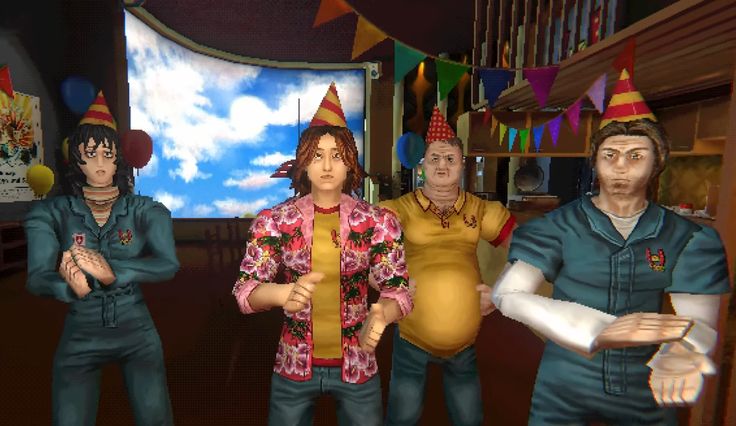
The writing here doesn’t rely on cheap jump scares or monsters suddenly jumping out of closets. Instead, it relies on a brilliant non-linear storytelling structure, slowly peeling back layers of guilt, regret, and resentment simmering within the crew. You’ll play from multiple perspectives at different points in the timeline, making you an accomplice in the tragedy.
The dialogue is incredibly sharp, tense, and heartbreakingly human. Take, for example, Captain Curly, kept alive on high doses of painkillers after the crash, his body bandaged and unable to speak. The game forces you to interact with this silent, suffering character while the rest of the crew unleash their anger and despair on him. It’s truly unsettling.
AAA games often try to handle “adult themes” by simply adding gore or excessive swearing, but they lack the emotional maturity to truly explore the darker corners of the human psyche. Mouthwashing doesn’t shy away from it. It explores corporate exploitation, the illusion of choice, and the horrors ordinary people will do to survive when they know no one will ever help.
For $13, you get a coherent, terrifying, and deeply artistic story more compelling than any horror blockbuster in the last five years. It’s an absolute masterpiece of pacing and terrifying atmosphere.
2. and Roger ($4.99)
This is a hidden gem that too many people are sleeping on, and it makes me incredibly angry because it is one of the most beautiful things I have ever experienced. For just five dollars, and Roger delivers a deeply emotional, character-driven story about companionship, memory, and the painful process of letting go. You play as a traveler navigating a quiet, melancholic, post-apocalyptic world alongside a companion named Roger.
What makes the writing in this game so incredible is its absolute restraint. It does not hit you over the head with heavy-handed exposition dumps or long, cinematic cutscenes where characters explain exactly how they feel. Instead, the emotional weight of the story is built through tiny, quiet, interactive moments.
As someone who splits her time between high-intensity competitive shooters and massive RPGs, playing and Roger felt like a bucket of ice water to my face. It reminded me that you do not need Hollywood voice actors or hyper-realistic facial motion capture to make a player weep. You just need a writer who understands how humans actually communicate.

The dialogue is sparse but incredibly intimate. You learn about Roger’s quirks, his fears, and his history through small text boxes that pop up while you explore the quiet ruins of a forgotten world. The game trusts you to read between the lines. It trusts your intelligence.
Compare this to a typical seventy-dollar AAA game where the protagonist will literally talk to themselves to solve a puzzle for you because the developers are terrified you will get bored if you have to think for more than ten seconds. and Roger treats you like an adult. It is a short, self-contained experience that respects your time, your emotional capacity, and your wallet. If you do not cry during the final act of this game, you might actually be a robot.
3. Felvidek ($10.99)
If you’re tired of the familiar, repetitive fantasy motifs in blockbuster RPGs, then Felvidek is the antidote you need. This is a meticulously crafted turn-based RPG set in a dark and different version of 15th-century Slovakia. You play as Pavol, a drunken knight tasked by his lord with investigating the sudden rise of cultists, Hussite soldiers, and strange supernatural threats.
The writing in Felvidek is genuinely hilarious. It skillfully balances the grimness of history with dark, absurd comedy, leaving players laughing uncontrollably.
Pavol is one of the most interesting and unique protagonists I’ve ever encountered. He’s not a self-proclaimed savior hero. He’s a flawed, perpetually drunk, extremely skeptical man who just wants the next bottle of beer but is constantly drawn into bizarre conspiracies that threaten the very existence of the world. He complains incessantly, his morals are highly questionable, and his utter weariness of the world around him makes him easily relatable to the player.
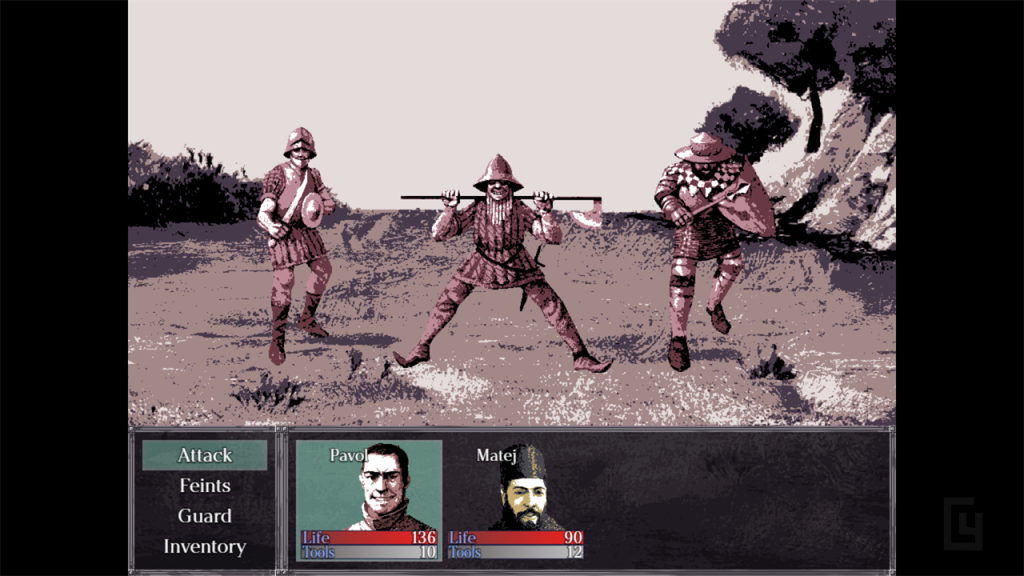
The localization of this game is a brilliant success in terms of creative translation. The dialogue is written in a wonderfully archaic style, both historically accurate and incredibly witty. Every NPC you encounter, from the clearly deranged local priest to the eccentric merchants wandering the muddy streets, is full of personality.
While AAA fantasy RPGs are often too serious, filling their diaries with lengthy, tedious entries about fictional wars you don’t care about, Felvidek uses his quirky setting to tell a fast-paced, surprisingly funny and clever story. It’s a masterpiece of writing a humorous adventure game without relying on lazy pop culture references or modern jokes. It’s weird, it’s dirty, and it’s truly brilliant.
4. Coffee Talk ($12.99)
As someone who spends half her life screaming at teammates in tactical shooters, my nervous system is usually running on pure adrenaline. Sometimes, I need a serious emotional off-ramp. I need a game that feels like a warm blanket and a cup of hot tea. That is exactly what Coffee Talk is.
This is a visual novel where you play as a barista running a late-night coffee shop in an alternate-universe version of Seattle. The catch? The city is populated not just by humans, but by elves, orcs, succubi, and aliens who are all just trying to survive the daily grind of modern city life.
The gameplay loop is incredibly simple. You listen to your customers’ problems, choose the right ingredients to brew them a warm drink, and watch their lives unfold across multiple nights.
What makes the writing in Coffee Talk so special is how deeply empathetic and grounded it is. The game uses its fantasy elements as a clever, subtle metaphor to explore incredibly real, modern human struggles. You watch an elf and a succubus struggle with parental disapproval of their inter-species relationship. You listen to an alien try to understand the bizarre complexities of human dating culture. You comfort an overworked indie game developer who is actively burning out under corporate pressure.
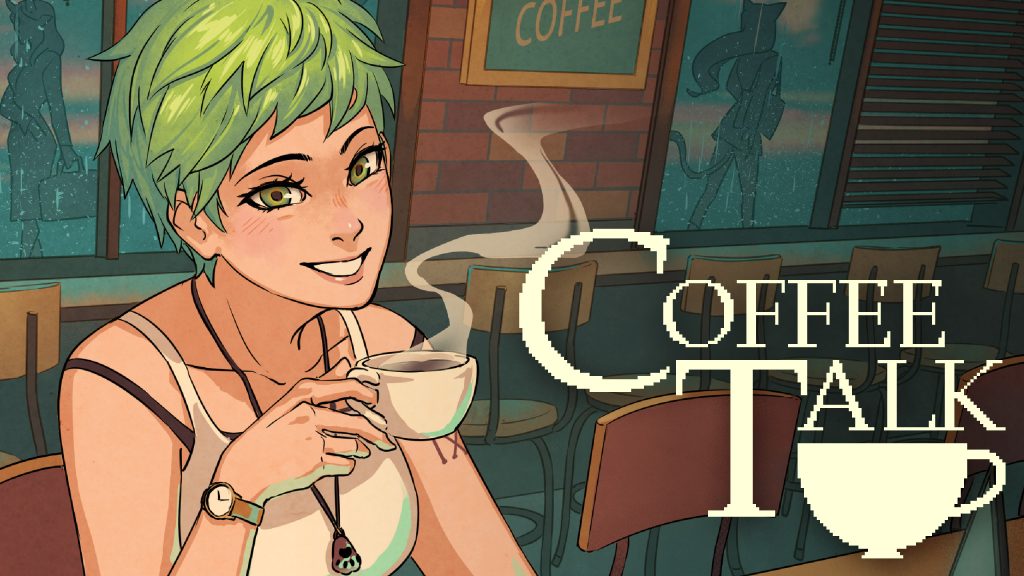
The dialogue feels so natural that you quickly forget you are talking to pixelated fantasy creatures. You feel like you are sitting across from your actual friends in a real café at 2 AM. It is a game about active listening, empathy, and the quiet comfort of finding a safe space in a busy, uncaring world.
While major publishers are busy trying to create high-octane action to keep your adrenaline pumping so you stay hooked on their live-service loops, Coffee Talk understands the profound value of a slow, quiet conversation. It is a beautiful, peaceful experience that reminds us of the power of community.
5. SANABI ($14.99)
Do not let the fast-paced, highly stylish cyberpunk action of this game fool you. SANABI is a 2D action-platformer that hides one of the most devastatingly beautiful narratives in video game history. You play as a retired military veteran with a giant prosthetic chain-hook arm, seeking absolute revenge against a mysterious entity known as SANABI that ruined your life.
Most action-platformers treat their story as a complete afterthought. They give you a flimsy, two-sentence excuse to go run, jump, and shoot, and then they leave you alone. SANABI does the exact opposite. The writing starts off as a fairly standard, gritty cyberpunk revenge thriller, but it slowly and methodically evolves into a deeply complex, incredibly moving sci-fi story about grief, memory, and the bond between a father and his daughter.
The relationship between the main character and his young guide, Mari, is the absolute beating heart of the game. The way the writers slow down the high-speed action to focus on quiet, interactive memories is beautiful. They use the gameplay mechanics themselves to convey feelings of loss and desperation. By the time you reach the final chapter, the narrative hits you with a series of emotional twists that are executed with perfect pacing.

I have played seventy-dollar cinematic blockbusters that tried so hard to be emotional movies, but they felt completely hollow because the writing lacked a genuine soul. They rely on expensive actors to do the heavy lifting, but the scripts are empty.
SANABI achieves more emotional resonance with simple pixel-art sprites and brilliantly written text boxes than most AAA games manage with full motion-capture technology and sweeping orchestral scores. The ending of this game had me crying so hard I had to pause the game because I could not see the screen.
The Verdict: Stop Funding Corporate Mediocrity
We need to stop grading AAA games on a curve. Just because a publisher spent hundreds of millions of dollars on celebrity voice acting, licensed music, and hyper-realistic leather textures does not mean their story is actually worth your time. Most of the time, the narrative has been passed through so many corporate committees and focus groups that all the unique flavor has been completely drained out. It is safe, boring, and ultimately forgettable.
If you want to experience stories that are bold, weird, devastating, and deeply human, you need to start looking at the lower-priced sections of your Steam store. These five developers did not have massive marketing budgets or executive producers whispering in their ears about player retention metrics. They just had incredible scripts, distinct voices, and a genuine passion for storytelling.
The next time you are tempted to drop seventy dollars on a flashy new release that you will probably forget about in a month, do your wallet and your brain a favor. Spend a fraction of that money on one of these indie titles instead. Support the writers who are actually taking creative risks and pushing this medium forward.
Let’s discuss which indie stories have completely ruined your emotional state in the comments. Hexa, out!