The Cozy Gaming Renaissance: Why Stressed Adults Are Flocking to Low-Stakes Simulators
What is up, chat! Hexa here. I am sitting at my desk right now, surrounded by three empty matcha cups and a truly ungodly amount of ambient blue light.
We need to have a serious, collective vibe check today. For the longest time, the mainstream gaming industry tried to push a specific narrative about what it meant to be a real gamer. You had to log on every night, grind your teeth through a competitive battle pass, get flamed by hyperactive teenagers in a Discord voice channel, and sweat through tactical shooter rank climbs just to feel a single spark of accomplishment. Gaming was basically treated like a second corporate job that you paid to do.
But lately? A massive chunk of the adult gaming community is collectively hitting the emergency eject button on all that artificial stress.
We are well into 2026, and the data shows that the global cozy gaming market is closing in on an astronomical valuation. On Steam alone, the sheer number of games launching with the “cozy” or “wholesome” tag has skyrocketed over the past couple of years. We are living through an absolute, undeniable cozy gaming renaissance.
Stressed-out adults with full-time jobs are completely ditching the high-stakes, high-adrenaline loops of competitive multiplayer titles. Instead, they are flocking in droves to low-stakes simulators where the absolute worst thing that can happen to you is your virtual tomatoes getting a little dry.
Let’s break down exactly why this cultural shift is happening. Why are people who used to live for high-accuracy headshots and frame-perfect fighting game combos now finding their inner peace by washing digital driveways or organizing pixelated shelves?
The Reality Check: Escaping the Real World Grind
Let’s be completely real with each other for a minute. The real world right now is fundamentally exhausting. Between endless Slack notifications, inflation, corporate restructuring, and the baseline, everyday anxiety of trying to be a functioning adult, our brains are constantly running on survival mode. By the time you clock out from an eight-hour shift of dealing with spreadsheet formatting or angry customers, your mental battery is entirely in the red.
When you get home from a brutal day at your actual job, your nervous system does not want to hop into an online lobby just to get absolutely obliterated by a fourteen-year-old who drinks energy drinks for breakfast. You do not want to subject yourself to a different, digital flavor of performance anxiety.
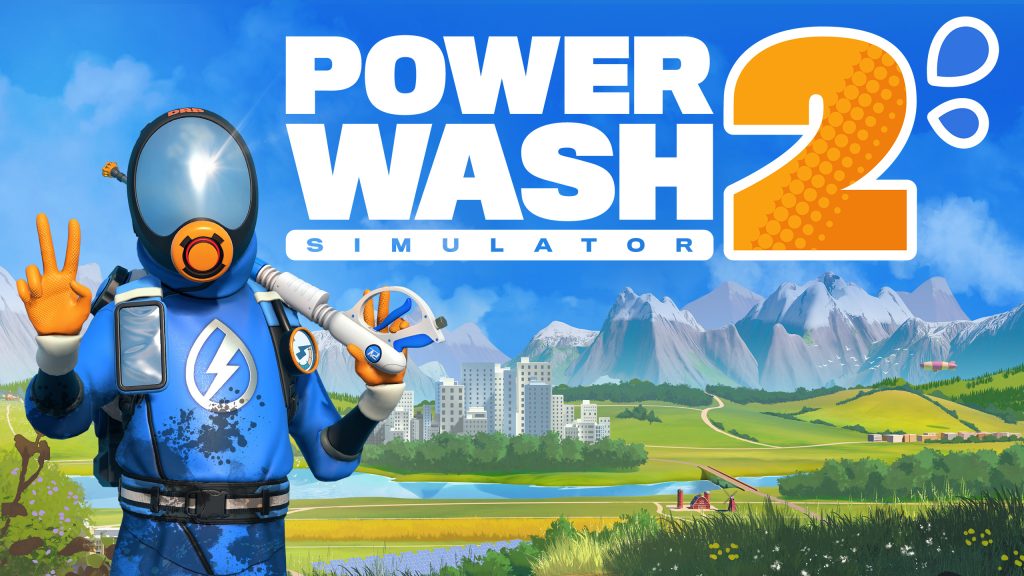
This is exactly where the quiet magic of low-stakes simulators kicks in. Games like PowerWash Simulator, Unpacking, or the recent wave of boutique cleaning titles provide something that modern life rarely offers. They offer total, predictable, absolute control.
Think about the contrast. In your real life, you can work hard for weeks on a project only for a manager to pivot the entire strategy at the last second, making your effort completely irrelevant. In a simulation game, the mechanical rules are incredibly clear and entirely fair.
If you spray the high-pressure water nozzle on a patch of virtual dirt, that dirt disappears. If you open a box in a digital bedroom, the book fits perfectly onto the designated shelf. There are no surprise meetings. There are no sudden budget cuts. There are no toxic teammates screaming into their microphones because you missed a utility line or mismanaged an economic cooldown.
Over fifty percent of cozy game players openly admit they use these titles specifically to decompress after dealing with real-world responsibilities. It is a genuine form of digital meditation. You are executing a simple, repeatable task that rewards you with a reliable, steady hit of clean dopamine. It gives your brain a chance to idle in neutral without completely shutting down into a doom-scrolling stupor.
The Total Elimination of the Fail State
The core design philosophy of traditional video games has historically been built entirely around overcoming failure. You try to beat a level, you make a mistake, you die, the game punishes you, you learn from that mistake, and you try again.
That loop can be incredibly rewarding when you have the surplus time and the mental bandwidth to dedicate to it. When I am in the mood to grind out a tactical shooter rank or learn the attack patterns of a brutal action RPG boss, I love that friction. But cozy simulators completely throw the entire concept of the fail state directly into the garbage bin.
Take a massive hit like Fields of Mistria, which recently launched its highly anticipated 1.0 version on Steam. If you forget to water your crops for a day, guess what happens? Absolutely nothing catastrophic.
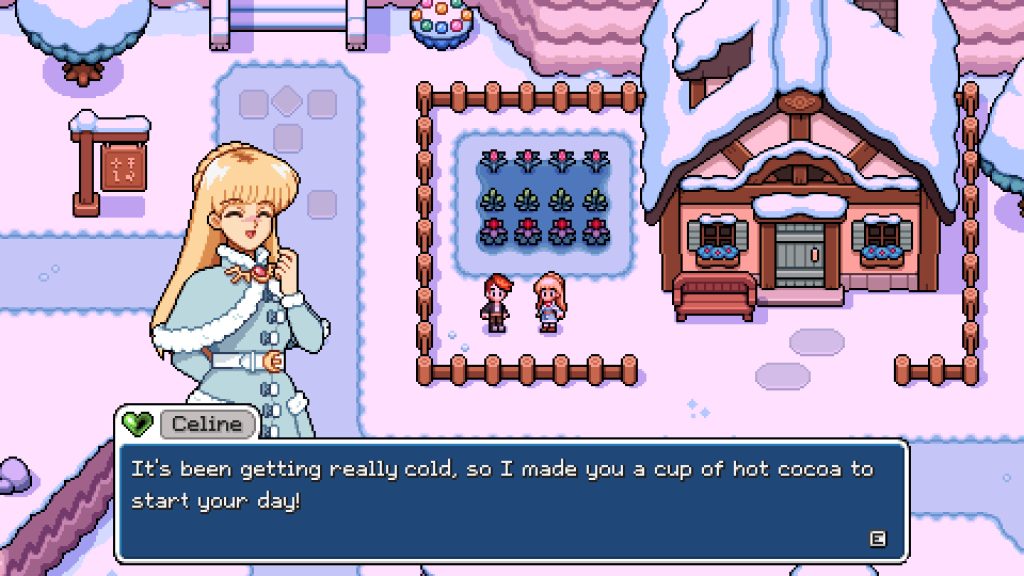
They do not wither away into dust. The game does not mock you on a scoreboard. The town characters do not stage an emergency intervention because your agricultural management skills are lacking. The virtual world simply stands still and waits for you to be ready to engage with it again.
This complete lack of artificial pressure is profoundly therapeutic for an overstimulated adult mind. Traditional gaming genres can inadvertently trigger the exact same stress pathways as a bad day at the office. If you repeatedly fail a competitive match, your frustration levels spike. Your heart rate goes up. Your cortisol levels rise. You end your gaming session feeling significantly more exhausted than you did when you booted up your system.
Cozy simulators act as an emotional buffer for your brain. They remove the punishment element entirely from the entertainment equation. You are allowed to move through the experience at your own subjective pace. If you want to spend four hours doing absolutely nothing but organizing your storage chests by color or rearranging the furniture in your virtual living room, the software completely respects that choice. You cannot play these games incorrectly, and that is a beautifully liberating feeling.
Independent Developers are Shifting the Culture
We also need to give massive credit to the independent developer community for pulling off this vibe shift. The mainstream AAA gaming industry is currently caught in a seemingly endless loop of creating massive, hyper-monetized, bloated live-service games. They design software around engagement metrics, player retention strategies, and microtransaction storefronts meant to extract money from your wallet every single week.
Indie developers looked at that corporate landscape and realized that a huge, silent demographic of adults just wanted a gentle, self-contained experience. Small teams are consistently punching way above their weight class because cozy games reward genuine artistic creativity over raw, expensive graphical production power.
Look at a game like Thrifty Business, which comes from the brilliant minds behind the viral hit Sticky Business. It lets you run a retro, 90s-inspired thrift store where your primary loop is sorting through boxes of old items and arranging them into pleasing storefront displays. Look at Outbound, where you start with a completely empty camper van and slowly build it up into a cozy, self-sufficient mobile home by scavenging materials at your own pace.
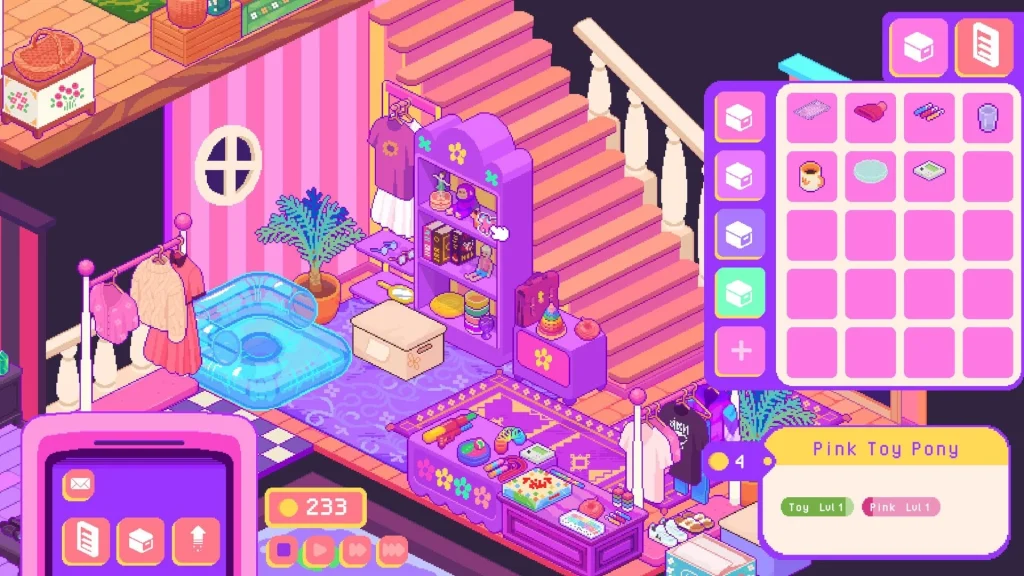
These teams are intentionally creating digital sanctuaries for our collective mental health. They are matching stunning, hand-crafted pixel art styles with incredible lo-fi soundtracks that loop perfectly in the background. In fact, an incredibly large percentage of cozy gamers treat these titles as beautiful, interactive background noise.
People play them while listening to their favorite podcasts, catching up on an audiobook, or letting a chill playlist run on another monitor. It is a completely different, low-friction way of interacting with software.
Redefining the Value of Game Length and Pacing
Another massive reason stressed adults are migrating to these simulators is the way they value a player’s time. A lot of modern mainstream games advertise themselves based on sheer scale. They boast about having a map that is ten times larger than the previous entry, or offering three hundred hours of content. But when you actually play them, you realize that “content” is just an endless sea of copy-pasted map icons, repetitive combat encounters, and tedious travel times designed to make the game feel longer than it actually is.
Cozy simulators approach value from the exact opposite direction. They do not try to trap you in an endless loop of meaningless progression. A game like Unpacking can be completely finished in a single weekend afternoon, but the emotional impact of that short experience stays with you for months.
You are learning about a character’s entire life story simply by deciding where their mugs, jackets, and childhood stuffed animals belong in a series of apartments. Every single minute of that game is intentional, meaningful, and deeply respectful of the fact that you have a life outside of your screen.
Even the games that do offer hundreds of hours of playtime, like Stardew Valley or Animal Crossing, do so without demanding consistency. You can abandon your farm for six months to focus on a busy period at your real-world job, and when you finally find a free Saturday evening to log back in, your digital world welcomes you back with open arms.
There are no daily login penalties. There are no expired seasonal events that you missed out on forever because you were too busy paying your real-world rent. It is a static, loyal paradise that exists entirely on your terms.
The Overhaul of Traditional Game Genres
What makes the current 2026 cozy renaissance so fascinating is that it isn’t just limited to farming simulators anymore. The design principles of coziness are actively invading and overhauling genres that used to be notorious for causing high blood pressure.
Take the cyberpunk subgenre, for instance. For decades, cyberpunk games were exclusively about grim neon alleys, high-speed gunfights, and corporate espionage. But then games like Nivalis come along and completely flip the script.
Instead of playing a cybernetic mercenary fighting the system, you are just a regular person trying to run a quiet noodle stall or manage a localized night club in a neon city. You spend your time decorating your apartment, fishing off the docks, and chatting with the eccentric locals. The high-stress setting is transformed into a moody, atmospheric place to simply exist and relax.
We are even seeing strategy and city-building games get the wholesome treatment. Traditional city builders force you to constantly micromanage disasters, fires, economic collapses, and starving citizens. New wave entries focus entirely on the peaceful aesthetics of construction.
You are given infinite resources and beautiful, modular tools to simply build picturesque medieval villages or sprawling Roman villa gardens. The focus is entirely shifted from surviving a crisis to expressing your own quiet creativity.
The Death of Gatekeeping: Gaming Is for Everyone
For a long time, there was an incredibly toxic, vocal stigma in broader gaming circles around these low-stakes titles. Self-proclaimed hardcore gamers would flippantly dismiss simulators and cozy projects as “not real video games.”
They argued that if a piece of software didn’t feature deep mechanical skill ceilings, intense competitive matchmaking, or brutal reflex checks, it was somehow an inferior form of entertainment. Thankfully, that outdated gatekeeping mentality is officially dead and buried.
The absolute explosion of the cozy market has proven that the desire for low-stakes entertainment is a massive, cross-demographic reality. Stressed adults have collectively realized that protecting their baseline mental well-being is infinitely more valuable than proving their mechanical gaming skills to a lobby full of random strangers on the internet. We have reached a point of cultural maturity where people can openly admit that they want their leisure time to be gentle, predictable, and kind.
Whether you are a veteran esports competitor who needs a serious mental reset after a intense season, or someone who hasn’t touched a gaming controller since childhood, the cozy renaissance has created a space specifically for you. There is absolutely zero shame in wanting a break from the constant, loud demands of modern entertainment.
The next time you feel your shoulders tightening after a long day of dealing with real-world formatting errors, endless email chains, or exhausting social obligations, do yourself a massive favor. Close out your work tabs.
Do not open a competitive multiplayer shooter lobby that will just leave you feeling frustrated and drained. Go find a low-stakes simulator where you can herd some sheep, run a magical bakery, or build out a custom camper van at your own pace. Your nervous system will thank you for it.
Hexa, out!