The Death of the Mid-Budget Movie: Why Hollywood Only Makes $200M Blockbusters or $5M Indies Now
If you’ve been paying attention to movie advertising billboards lately, you’ve probably noticed a huge, echoing gap.
On one side are the massive blockbusters. These are the two-hundred-million-dollar digital productions, superhero sequels, live-action toy adaptations, and colossal science fiction epics. These films are built to be experienced on IMAX screens while you devour a trash can-sized bucket of popcorn.
On the other side, you have the low-budget marvels. These are the five-million-dollar independent horror films, the darlings of avant-garde festivals, and the experimental horrors shot in a single room with digital cameras. But what happened to the middle segment? Where did the forty-million-dollar films go?
There was a time when the foundation of American cinema was mid-budget films. These were films with production costs ranging from fifteen to eighty million dollars. They weren’t trying to save the universe. Nor were they films made with credit cards and help from others. They were adult dramas, romantic comedies, legal thrillers, and clever films that helped stars shine. These were films like The Shawshank Redemption, Jerry Maguire, A Few Good Men, and Dead Poets Society.
Today, that entire genre has been systematically removed from the theatrical map. Hollywood has become an industry of extremes. It’s a high-stakes casino where you either bet your entire life savings on a single spin or play coin-operated slot machines in the corner.
As a film lover in a time when you could see a high-quality, original story every Friday, this isn’t just a shift in business strategy. To me, it’s a tragedy. It was a slow, commercial sterilization of an entire art form.
The Golden Era of the Middle Class
To understand why the middle class of cinema died, we first have to remember what it gave us. In the nineties and early two thousands, the mid budget film was the creative engine of Hollywood. It was the space where directors could hone their craft. It was where original ideas could take flight with decent production values. It was also where actors actually became movie stars.
Consider The Shawshank Redemption. It is a film that cost roughly twenty five million dollars to make in 1994. It did not feature explosions, alien invasions, or marketable toy opportunities. It was simply a beautifully written, meticulously acted story about two men in a prison.
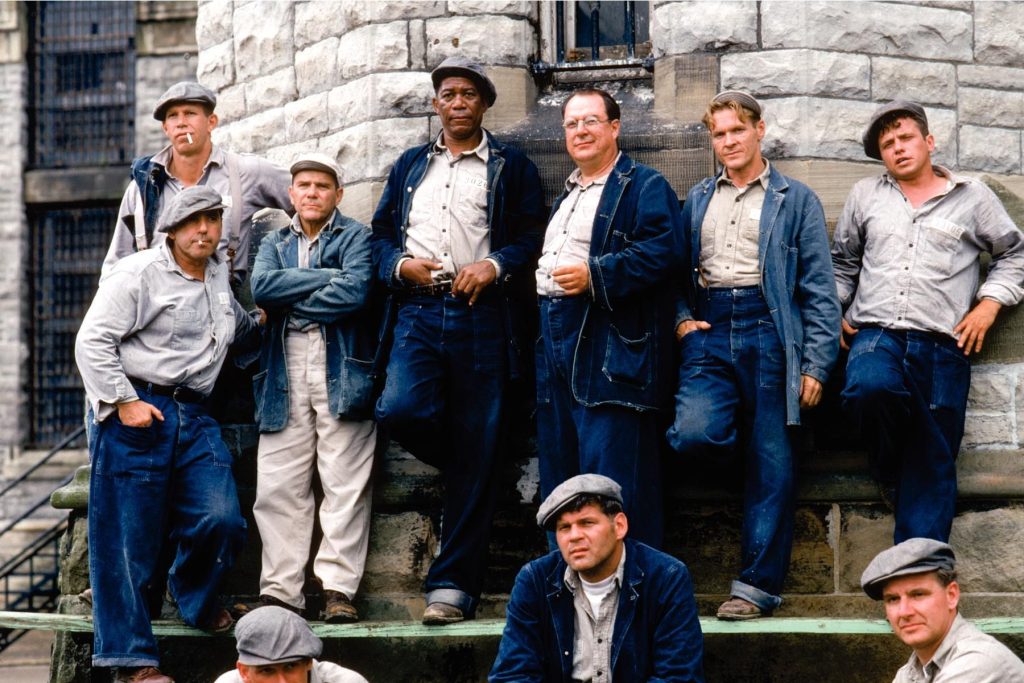
Under today’s studio economics, a pitch like that would be laughed out of any executive suite. If it did somehow get made, it would be shoved directly onto a streaming service with zero promotional budget. It would be destined to be buried under an algorithm within forty eight hours.
The mid budget tier allowed for controlled risk. If a fifty million dollar drama underperformed, it was a disappointment, but it did not sink the studio. If it succeeded, it could make three times its budget. It would then live on for decades in the cultural consciousness. This safety margin gave filmmakers room to breathe. It gave them room to experiment and tell human sized stories.
When you look back at the filmography of directors like David Fincher, Steven Soderbergh, or Sofia Coppola, you see a career built entirely on this middle tier. Fincher made Seven for around thirty million dollars. Soderbergh gave us Out of Sight and Erin Brockovich in this exact financial sweet spot.
hese were slick, smart, gorgeous movies that respected the intelligence of the audience. They had the budget to look incredibly polished, but they were not beholden to corporate shareholders who demanded a PG thirteen rating and a happy ending to protect toy sales.
In my opinion, the loss of this tier is why modern movies feel so strangely hollow. We have traded the textured, atmospheric, character driven stories of the nineties for flatly lit digital landscapes where actors spend half their time talking to a tennis ball on a green screen.
How the Death of Physical Media Killed the Movie Star
So, what changed? The most significant blow to the mid budget movie was not a change in audience taste. It was a total collapse of the home video market.
I often think about a famous interview where Matt Damon explained this shift with brutal clarity. He pointed out that the DVD market was the secret financial safety net for mid budget cinema. In the physical media boom of the late nineties and early two thousands, a movie did not need to make all of its money back at the box office. The theatrical release was essentially a massive advertisement for the eventual DVD release.
A studio could release a thirty million dollar adult drama, watch it do modest business in theaters, and then watch it rake in fifty million dollars in DVD sales and rentals over the following year. It was a secondary gold rush that made risky projects incredibly viable. If you knew you could make your budget back on physical shelf space at Blockbuster and Walmart, you were much more likely to greenlight an original, challenging script.
When streaming replaced physical media, that secondary gold rush vanished overnight. Today, streaming services pay flat licensing fees or absorb movies into their monthly subscription pools. There is no longer a second wave of transactional revenue to rescue an underperforming theatrical run. Without that safety net, the risk profile of a forty million dollar movie changed completely. Suddenly, if a mid budget film failed at the box office, it was a total loss.
This collapse did not just kill the movies themselves. It also killed the concept of the movie star. In the golden era of the mid budget film, you went to see a movie simply because Julia Roberts, Tom Cruise, or Denzel Washington was on the poster. The star was the brand.
Today, the intellectual property is the brand. Audiences do not go to see a movie because of the actor. They go because they recognize the superhero costume or the toy franchise. This has turned actors into interchangeable cogs in a massive corporate machine. It has stripped cinema of the unique, charismatic star power that used to define the theatrical experience.
The Corporate Takeover and the Wall Street Mindset
With the middle ground suddenly looking like a financial graveyard, studio executives shifted their strategy to what they perceived as a safer bet. They chose the mega blockbuster.
It sounds completely counterintuitive to suggest that spending two hundred million dollars on a single movie is safer than spending forty million. But in the eyes of corporate bean counters, it makes perfect sense.
A two hundred million dollar movie is not just a film. It is a global intellectual property event. It can be marketed in every country on Earth. It can spawn theme park rides, clothing lines, fast food tie ins, and endless sequels. It is a diversified corporate asset.
To justify that two hundred million dollar price tag, however, these films must appeal to absolutely everyone. They cannot be too intellectually challenging. They cannot be too culturally specific. They certainly cannot be too artistically daring. They must be broad, visual, and highly polished spectacles. The result is a theatrical landscape dominated by formulaic storytelling, where every movie feels like a slightly rearranged version of the one you saw last month.
This shift coincided with a major change in studio ownership. Hollywood is no longer run by eccentric showmen and movie lovers who are willing to trust their gut on a risky script. It is run by massive telecommunications giants, tech conglomerates, and multinational corporations.
These companies are beholden to Wall Street. They operate on a model of infinite growth and risk aversion. To a tech executive, a forty million dollar movie that might make eighty million dollars is a waste of time. They do not want singles and doubles. They only want grand slams. They would rather spend two hundred million dollars trying to make a billion than spend forty million to make a comfortable profit.
This mindset has completely ruined the creative environment of major studios. It has turned filmmaking into a science of demographics and algorithms. Every script is focus grouped to death. Every visual choice is analyzed by marketing departments. The result is a cinematic landscape that feels incredibly safe, incredibly polished, and incredibly boring.
The Micro Budget Mirage
While the big studios chased the billion dollar dragon, a different kind of cinema emerged at the very bottom of the food chain. This was the hyper efficient, micro budget indie.
Companies like A24, Neon, and Blumhouse realized that if you keep your budgets incredibly low, you can afford to take massive creative risks. If a movie only costs three million dollars to make, it does not need to appeal to families in Tokyo or teenagers in London to turn a profit. It can be weird, provocative, divisive, and deeply artistic.
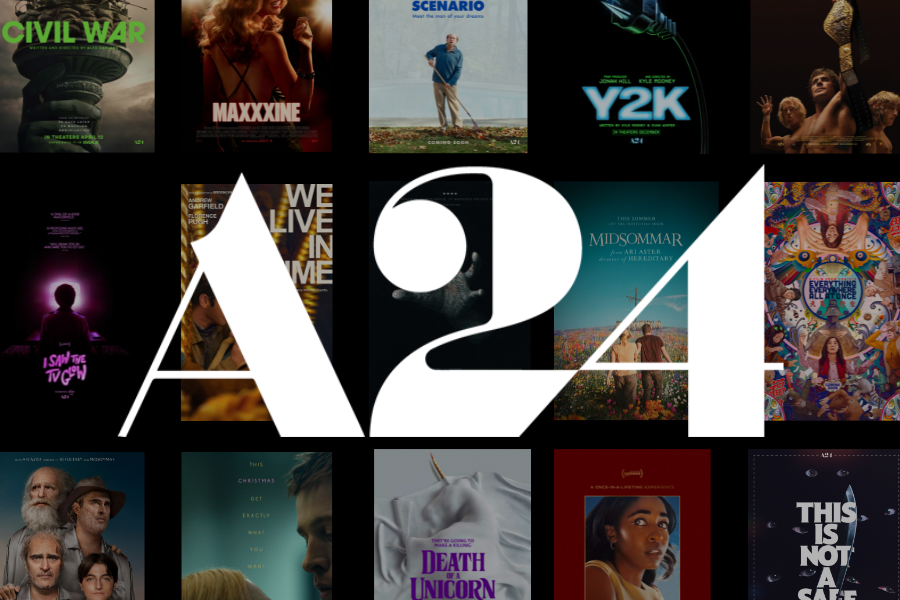
We have seen this dynamic play out spectacularly with horror films and intimate dramas. These companies have given us some of the most exciting, original cinema of the last decade. They have proven that audiences are still hungry for unique voices and challenging stories.
But as much as I love these distributors, the micro budget space is a mirage if we think it can replace the middle class of film. A five million dollar budget simply cannot support certain types of stories.
You cannot make a historical epic on a five million dollar budget. You cannot make a complex, visually rich science fiction film that does not look incredibly cheap. You cannot pay for the rehearsals, the location shooting, or the ensemble casts that made the mid budget dramas of the nineties so rich and immersive.
By forcing filmmakers to choose between micro budgets or corporate blockbusters, we lose an entire spectrum of human storytelling. We are left with a system where you can either make a tiny movie about two people talking in a kitchen, or a massive movie about a CGI character saving the world from a blue beam in the sky. There is nothing in between.
The Broken Talent Pipeline
Perhaps the most tragic consequence of this cinematic polarization is the complete destruction of the talent pipeline.
Historically, directors built their careers step by step. A filmmaker would make a tiny indie for a few hundred thousand dollars, get noticed at a festival, and then get hired to direct a fifteen million dollar thriller. If they handled that well, they might move up to a fifty million dollar drama.
This middle tier allowed them to learn how to manage a real crew, work with major movie stars, and handle a significant budget without the crushing pressure of saving a studio’s fiscal quarter. Only after mastering this space would they ever be handed the keys to a massive blockbuster.
Today, that stepping stone is completely gone. Studios regularly pluck young, inexperienced directors straight out of the indie festival circuit after they have made just one tiny film. They immediately hand them the keys to a two hundred million dollar franchise.
It is a dizzying, brutal transition. These directors are suddenly thrust onto massive sets with hundreds of crew members, complex visual effects pipelines, and intense studio oversight. They are often completely overwhelmed.
More importantly, they quickly realize that they are not actually in charge of the movie. On a modern two hundred million dollar blockbuster, the action sequences are often pre visualized by animators months before the director is even hired. The look, the pacing, and the tone are determined by committee. The young director is essentially hired as a manager to execute a pre existing corporate plan.
This has resulted in a generation of young filmmakers who are either chewed up and spat out by the studio system, or who completely lose their unique creative voices in exchange for a steady paycheck. Without the middle tier proving ground, we are failing to develop the master filmmakers of tomorrow.
The Audience is Starving for Substance
I refuse to believe that audiences only want to watch giant spectacles. If you look at the cultural conversation, people are clearly suffering from blockbuster fatigue.
We are tired of the endless sequels. We are tired of the flat, grey, digital lighting that seems to coat every modern superhero movie. We are tired of stories that feel like they were written by a marketing algorithm rather than a human being with an actual point of view.
Whenever a film breaks through this digital slurry, the response is massive. When a movie actually focuses on character, tension, and real human drama, audiences show up. They show up because they are starving for substance. They want to see movies that reflect the actual human experience, with all of its messiness, complexity, and moral ambiguity.
The tragedy of the modern studio system is that it has built a self fulfilling prophecy. Executives do not make mid budget movies because they claim audiences will only go to the theater for giant spectacles. But the only reason audiences only go to the theater for giant spectacles is because those are the only movies the studios actually put in theaters and promote. It is a closed loop of cultural decline.
The Path Forward and the Final Verdict
If we want the middle class of cinema to return, it will require a fundamental shift in how we, as an audience, engage with movies. We have to be willing to seek out original stories in theaters. We have to support the mid tier releases when they actually happen, rather than waiting for them to pop up on a streaming service three months later.
But more than that, it requires a systemic change in Hollywood. Studios must move away from their obsession with opening weekend box office metrics. They need to recognize the long term value of building a diverse, high quality library of films. A great forty million dollar drama might not make a billion dollars in its first three days, but it will continue to generate prestige, respect, and consistent revenue for decades to come.
Until the industry realizes that cinema is an art form that requires care, risk, and a human touch, we will remain stuck in this polarized desert. We will continue to choose between the empty calories of the two hundred million dollar spectacle and the tiny, isolated world of the micro budget indie.
The middle class of cinema was the soul of the industry. It was where the most memorable, enduring stories of our lives were born. It is time for Hollywood to stop playing the high stakes lottery and start investing in the beautiful, messy, human middle again.